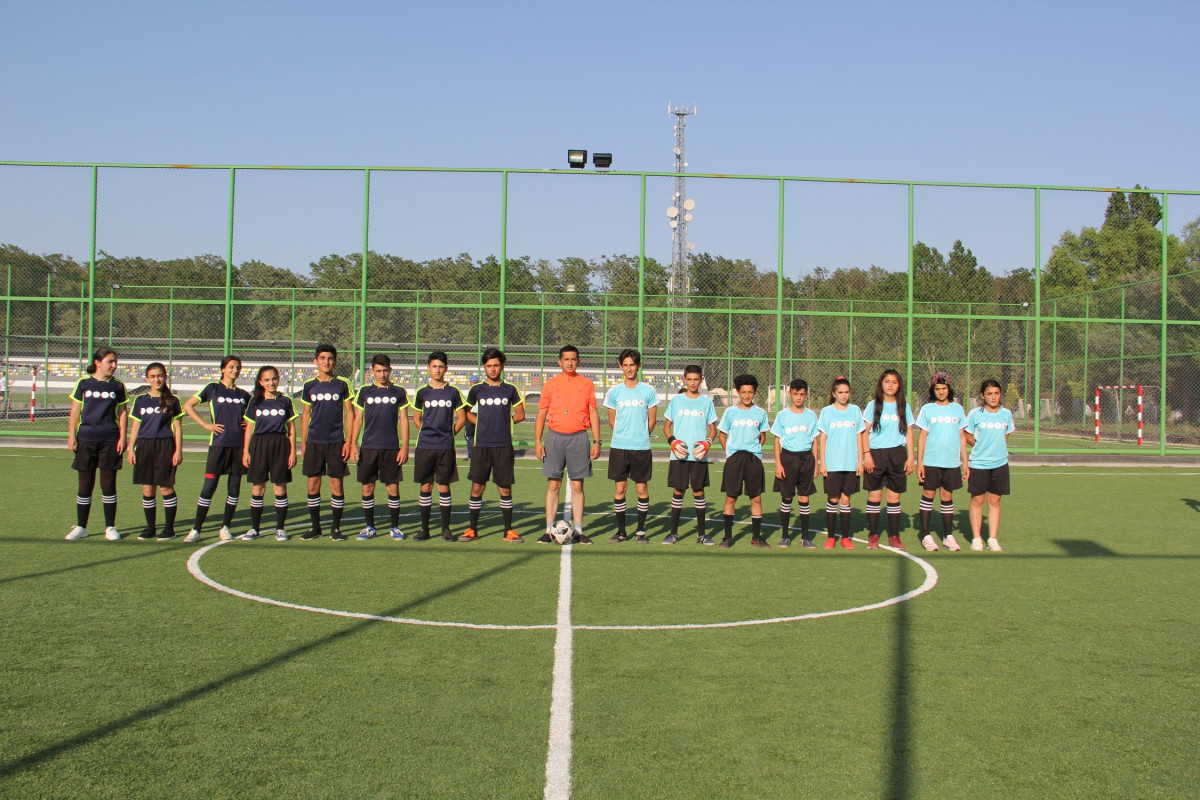
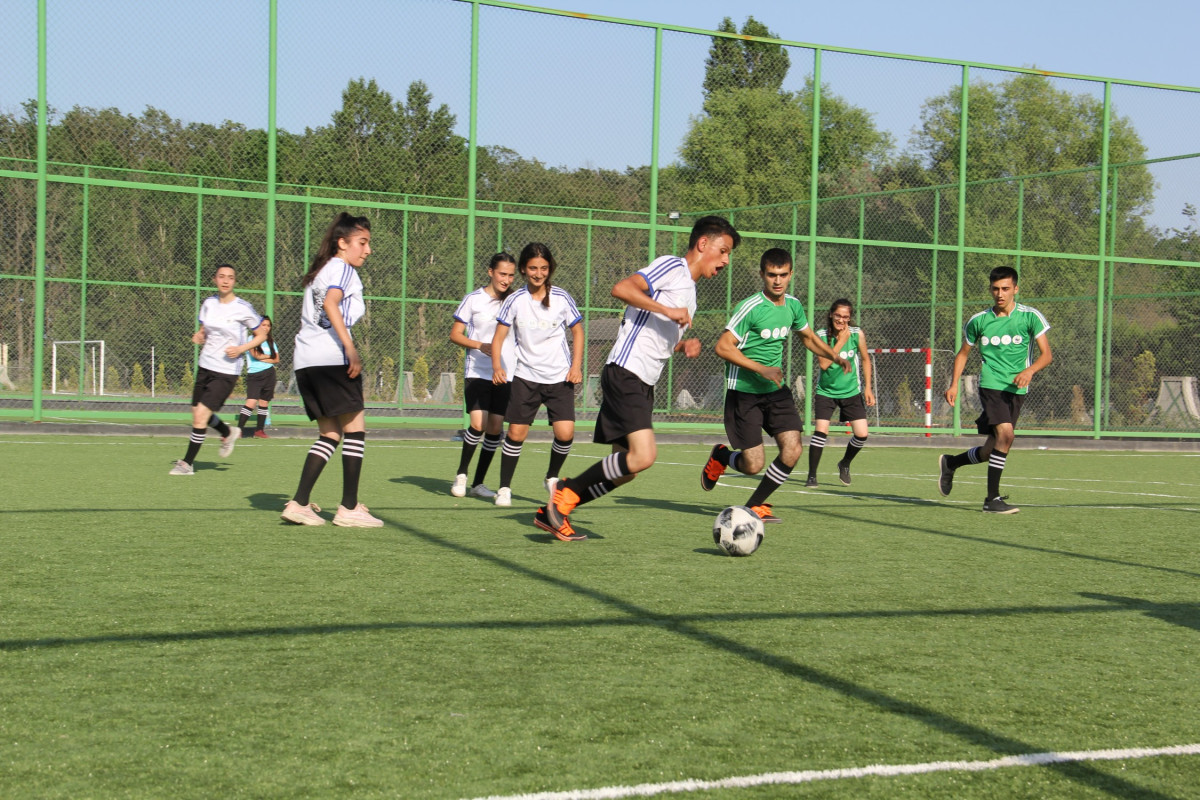
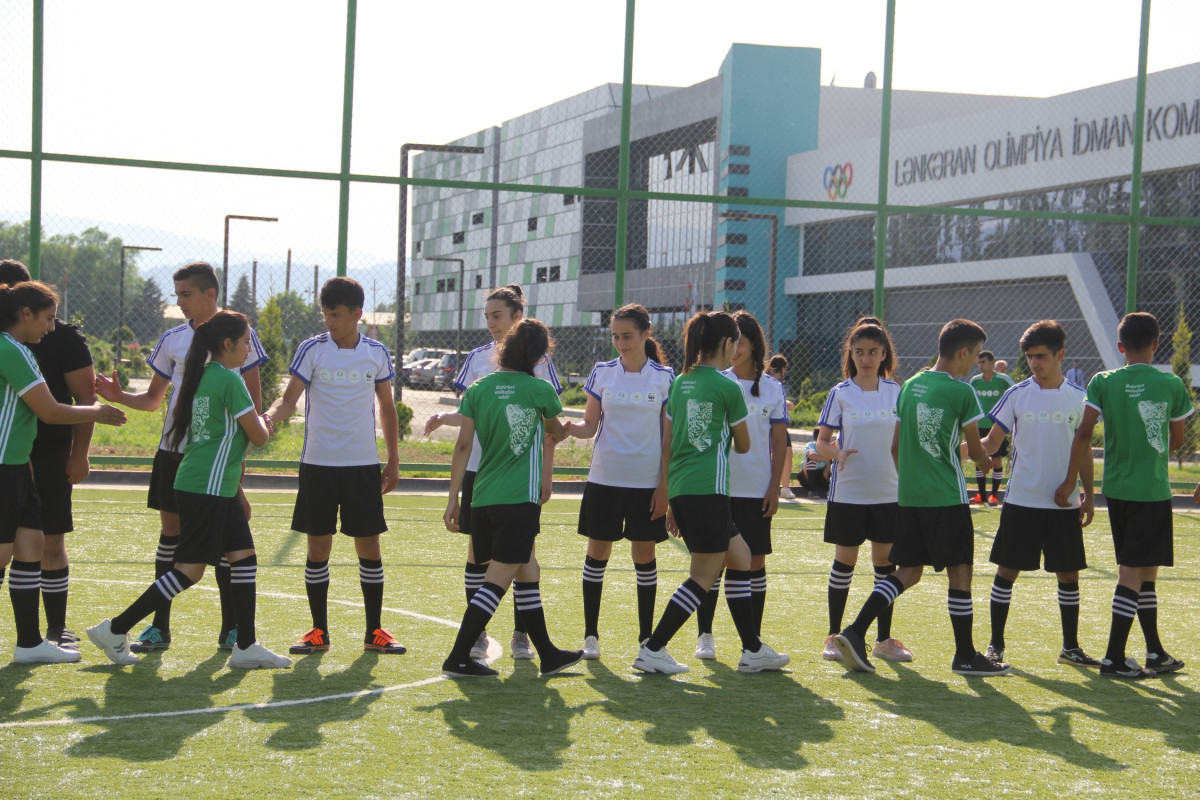
A football championship was organized within the framework of the “Let’s protect leopards!” camp

From 19 to 21 June, the traditional "Let’s Protect Leopards" ecological summer camp was held with the organization of IDEA Public Union, the Youth Foundation of the Republic of Azerbaijan, the Ministry of Education of the Republic of Azerbaijan and the Azerbaijan office of the World Wildlife Fund (WWF), and with the support of the Lankaran District Executive Authority.
Nearly 60 schoolchildren from the districts of Lankaran, Astara, Lerik and Masalli took part in the camp.
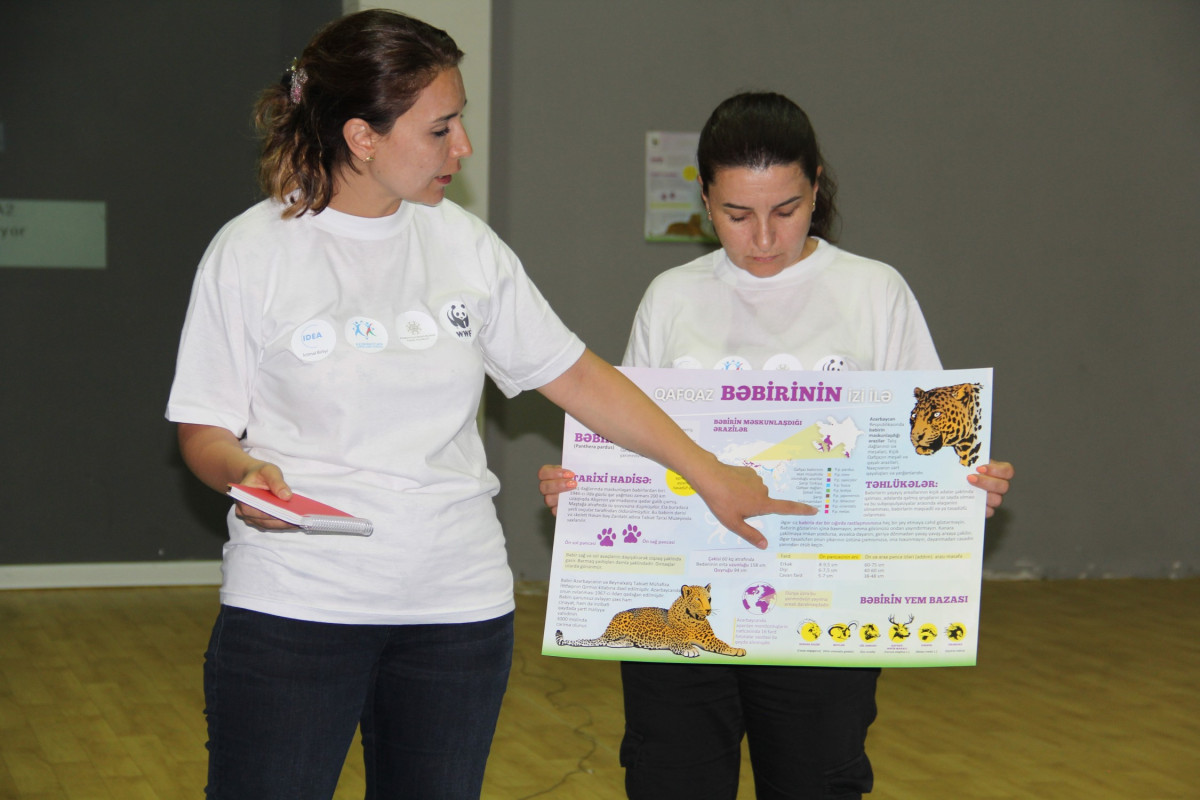
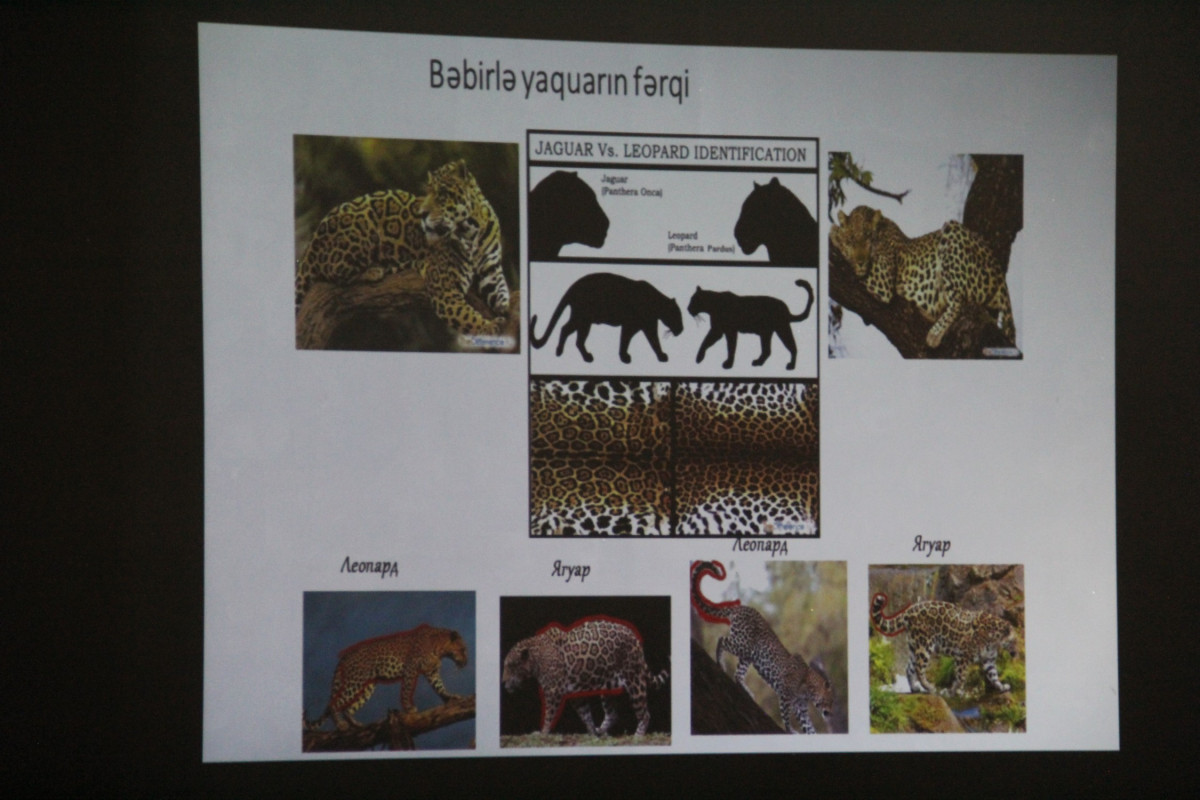
On the first day of the camp, the participants obtained extensive information about the lifestyle of leopards, the areas where they occur, and their role in nature, took part in seminars on the protection of this rare species, a presentation on the causes of the decline in leopard populations, as well as various ecological competitions and biodiversity quizzes. The documentary film "The World’s Most Wanted Leopard", shot by nature photographer and director Adrian Stern, was also screened for the students.
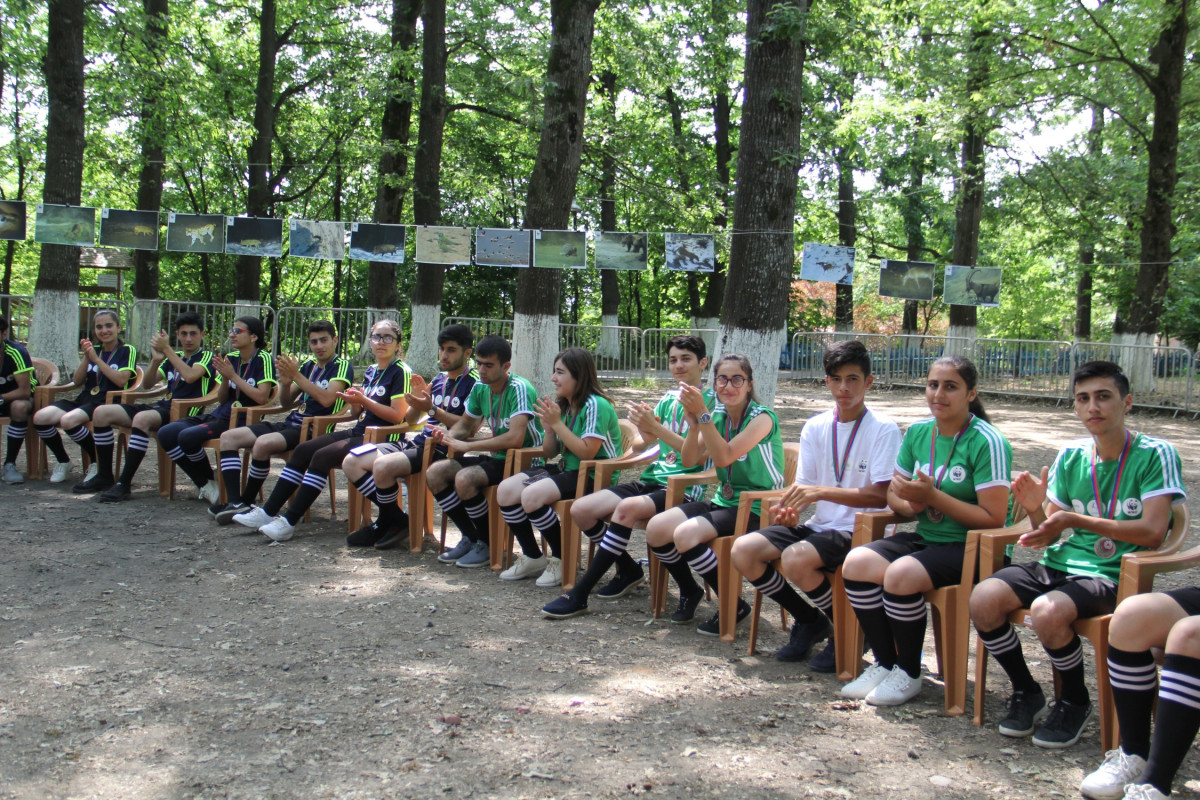
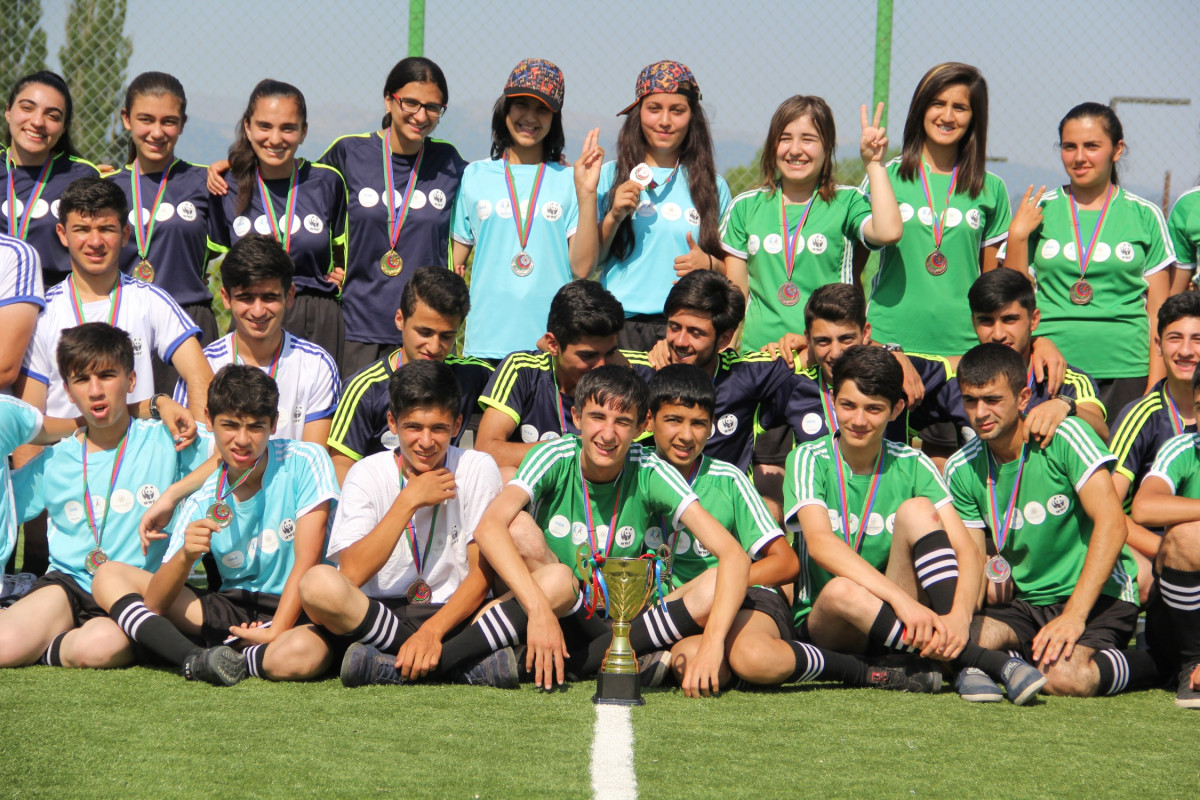
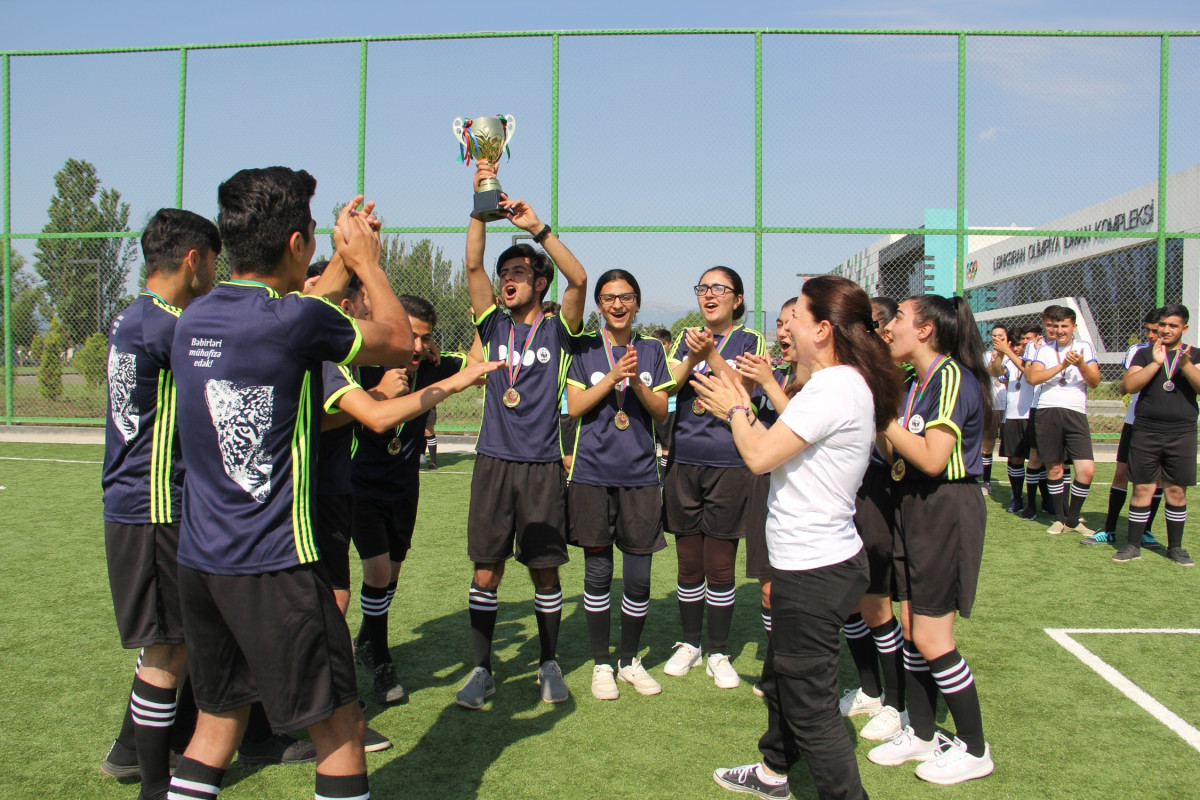
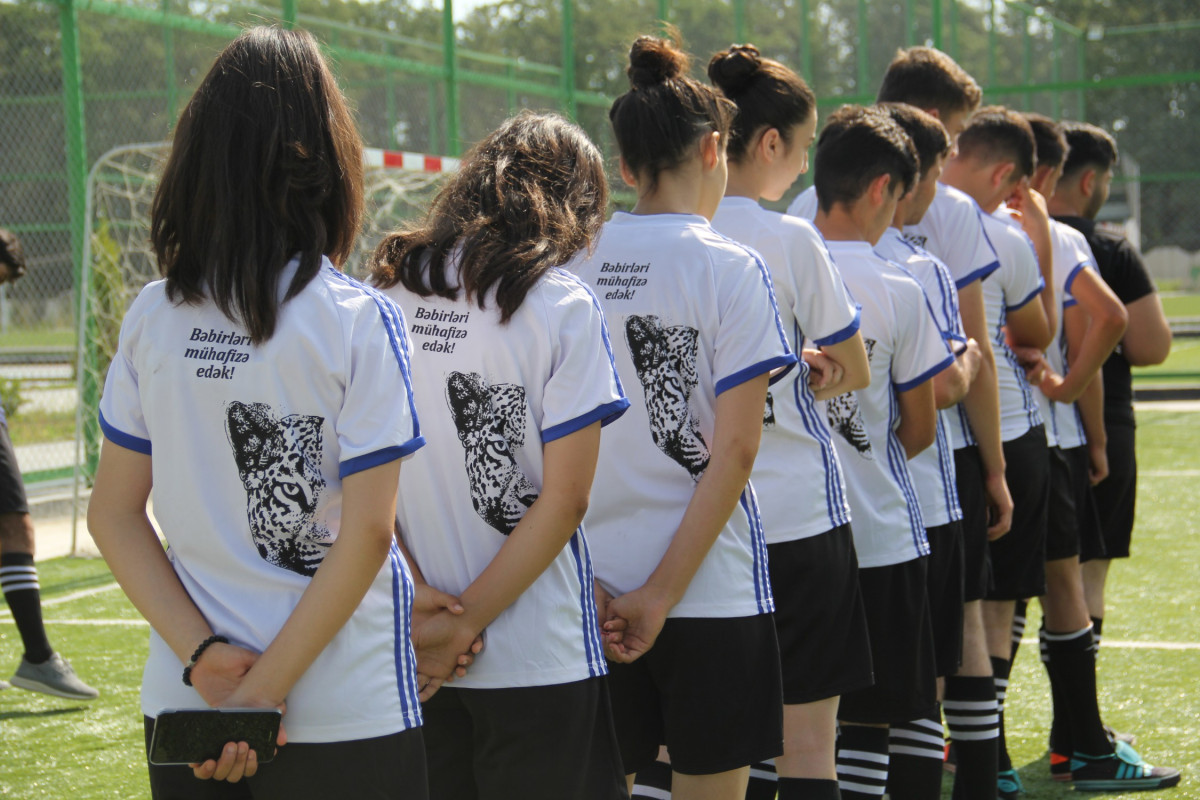
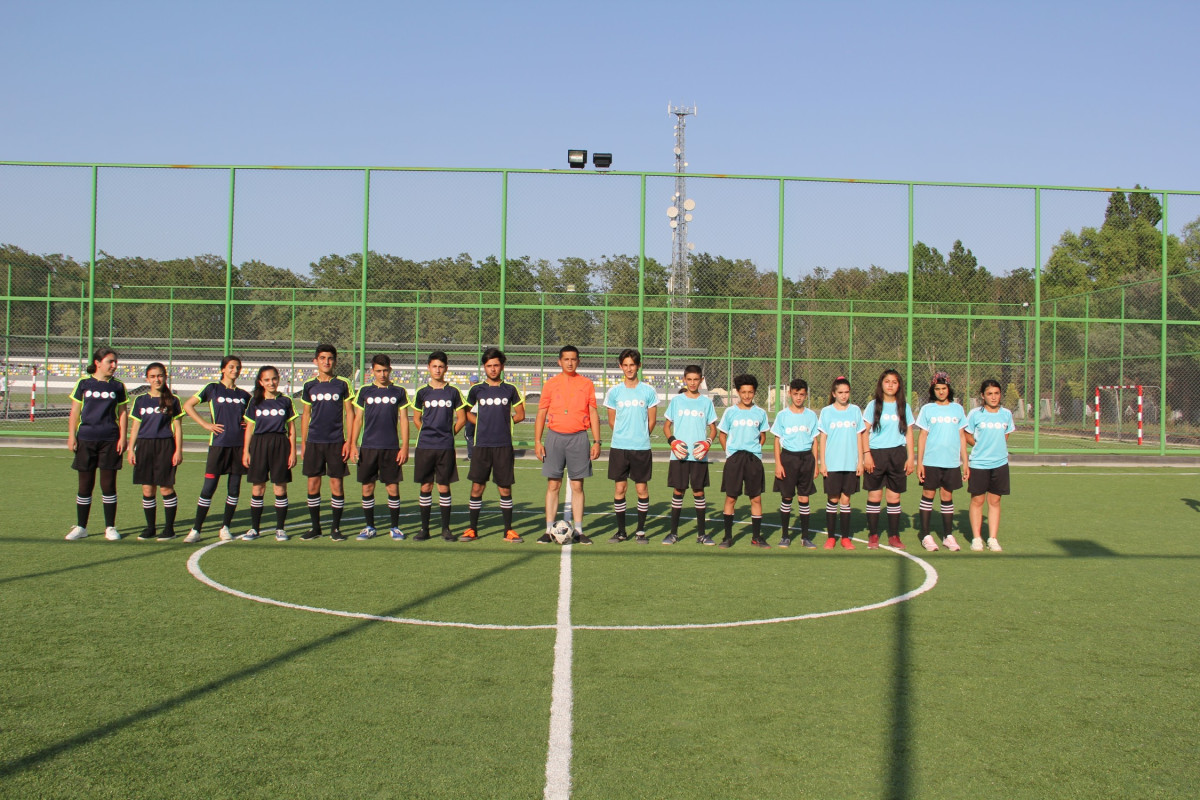
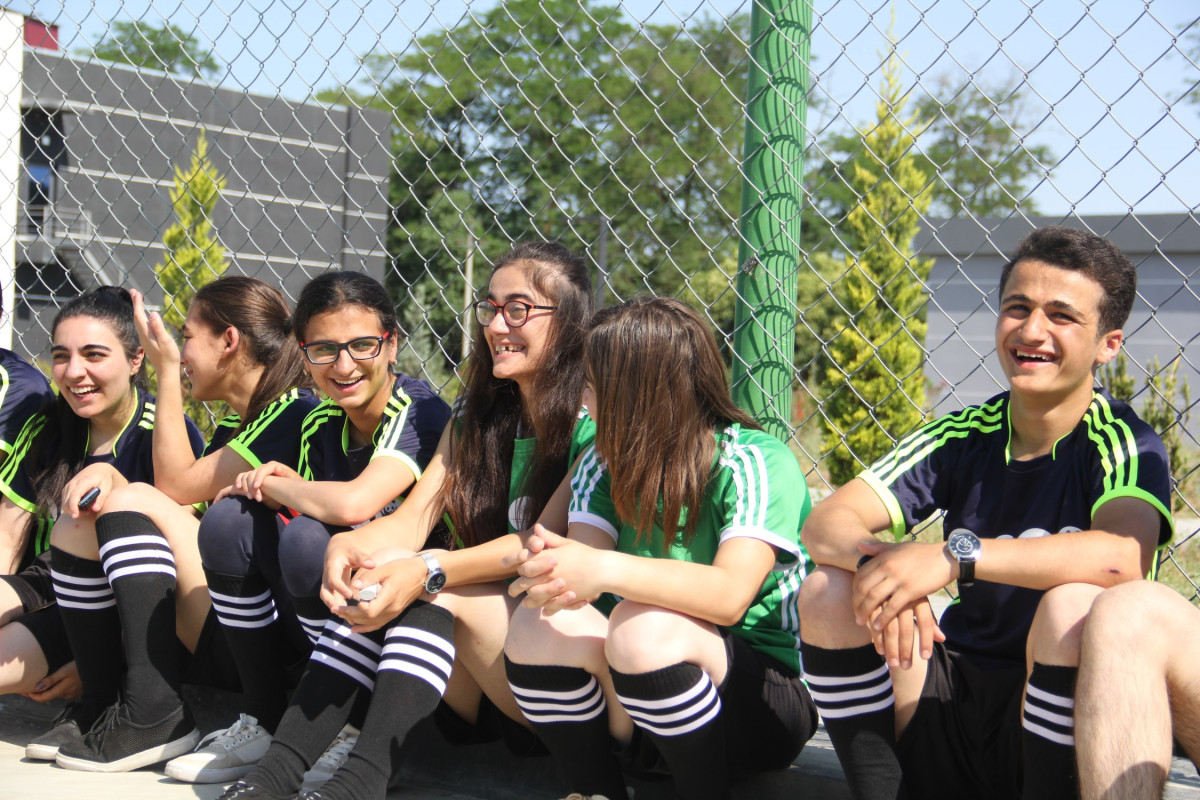
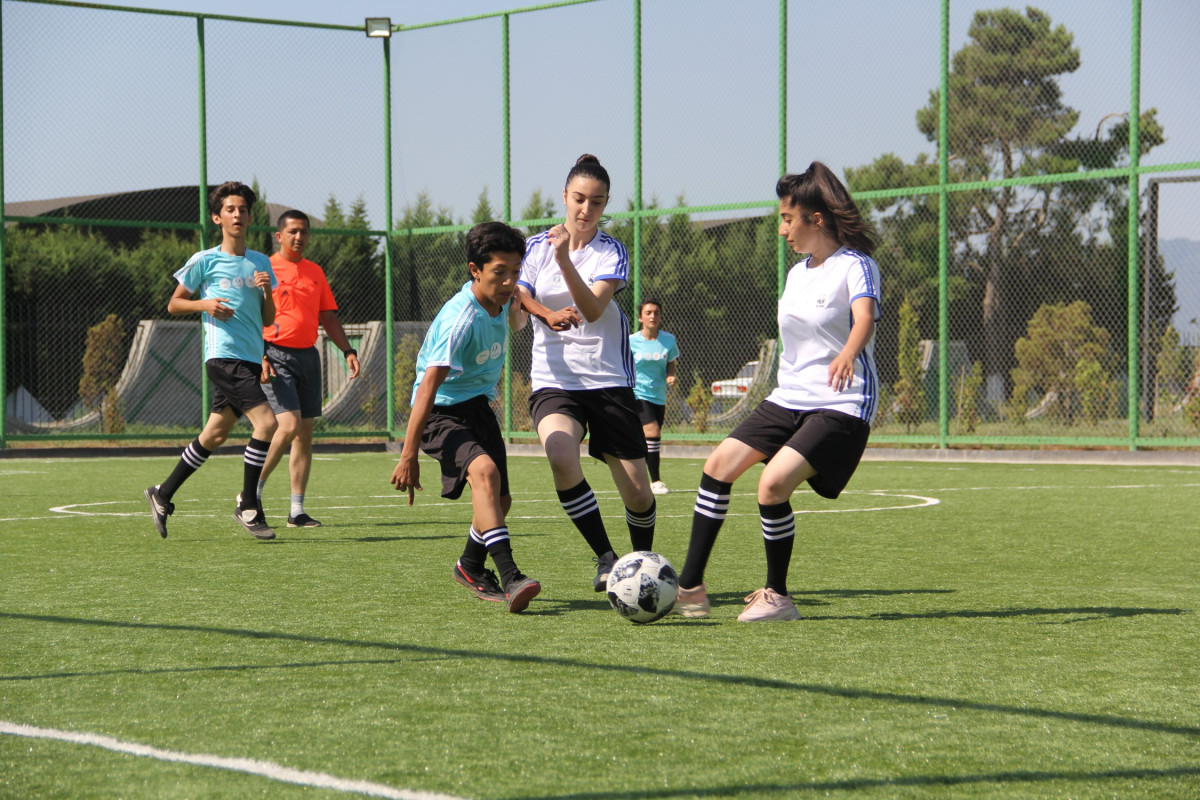
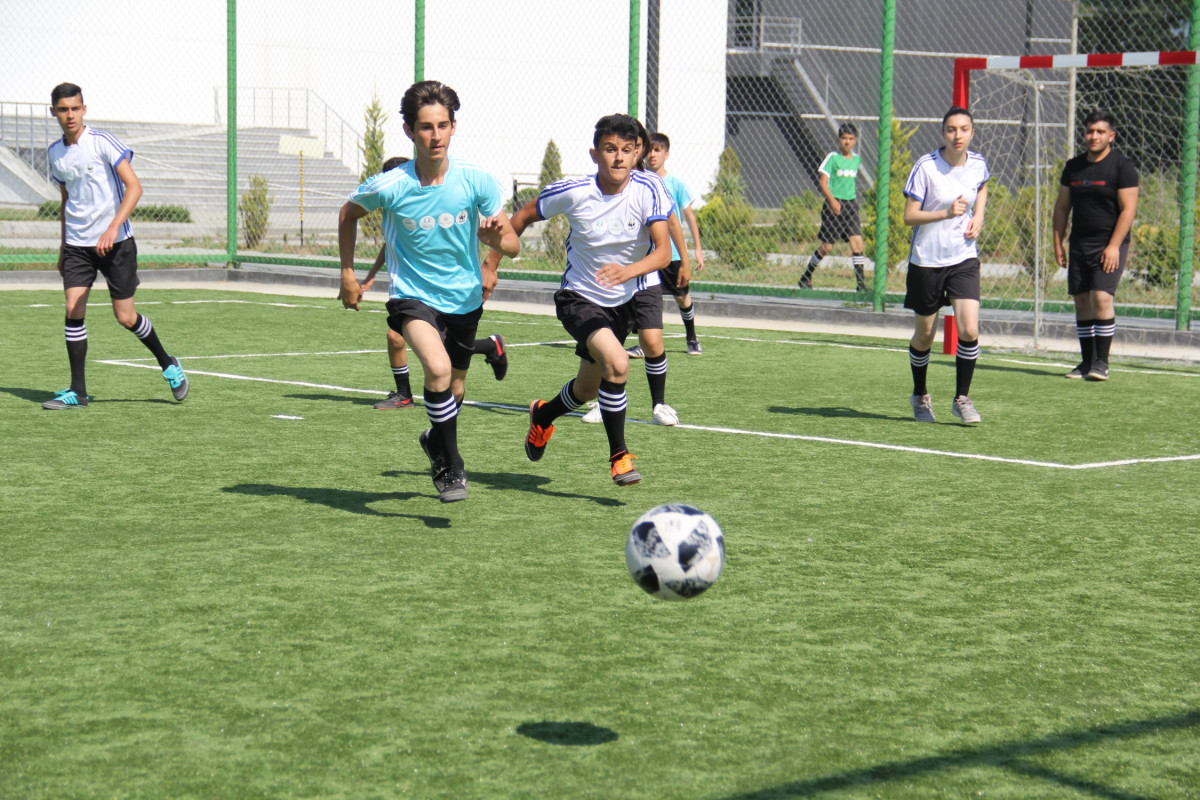
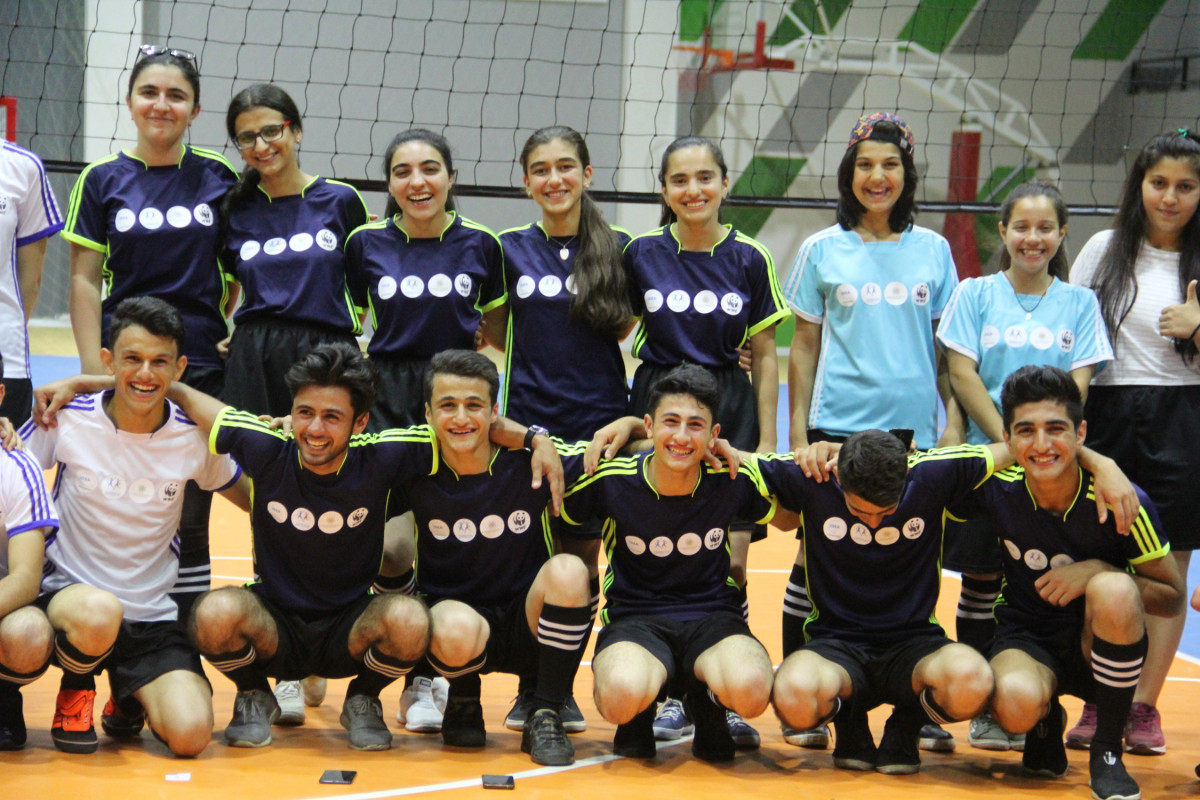
On the second and third days of the camp, a football championship was held among the participants. Three teams consisting of 11th-grade students from the districts of Lankaran, Lerik, Masalli and Astara took part in the match. Three games were held among the teams composed of both girls and boys. As a result of the final match, the Lerik team became the winner of the championship.
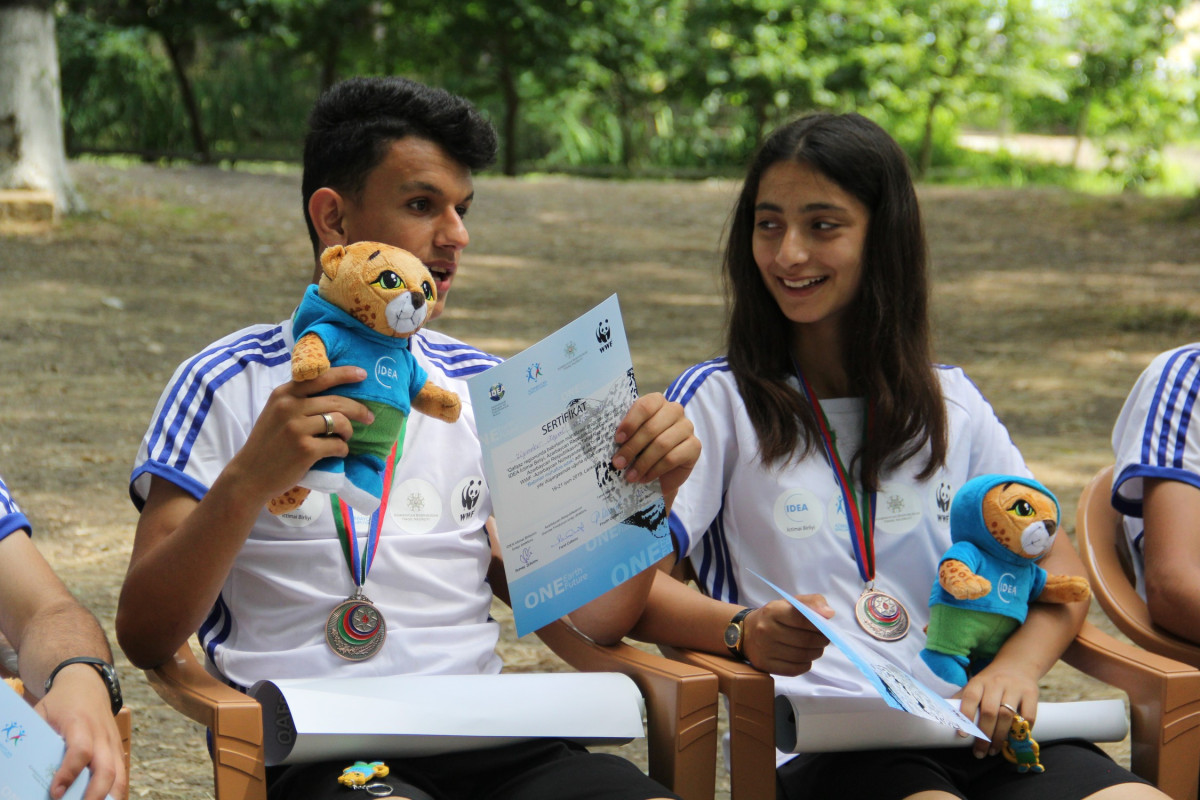
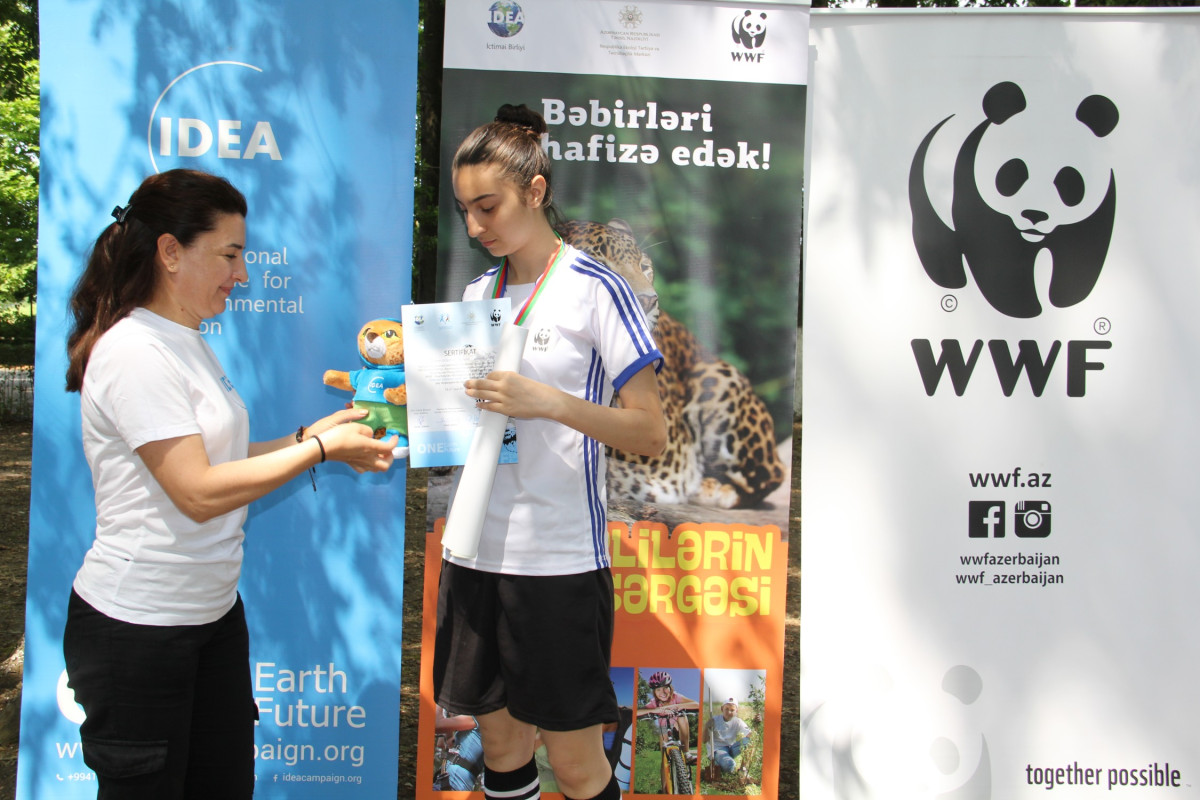
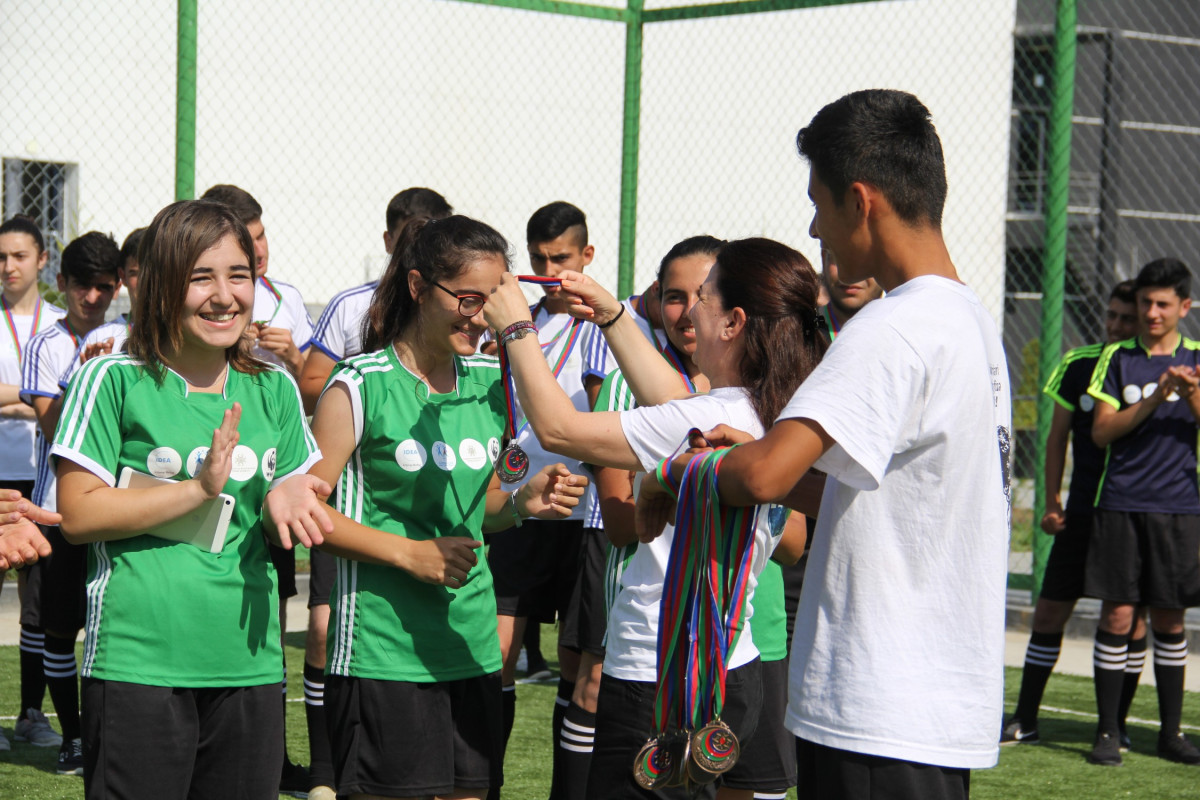
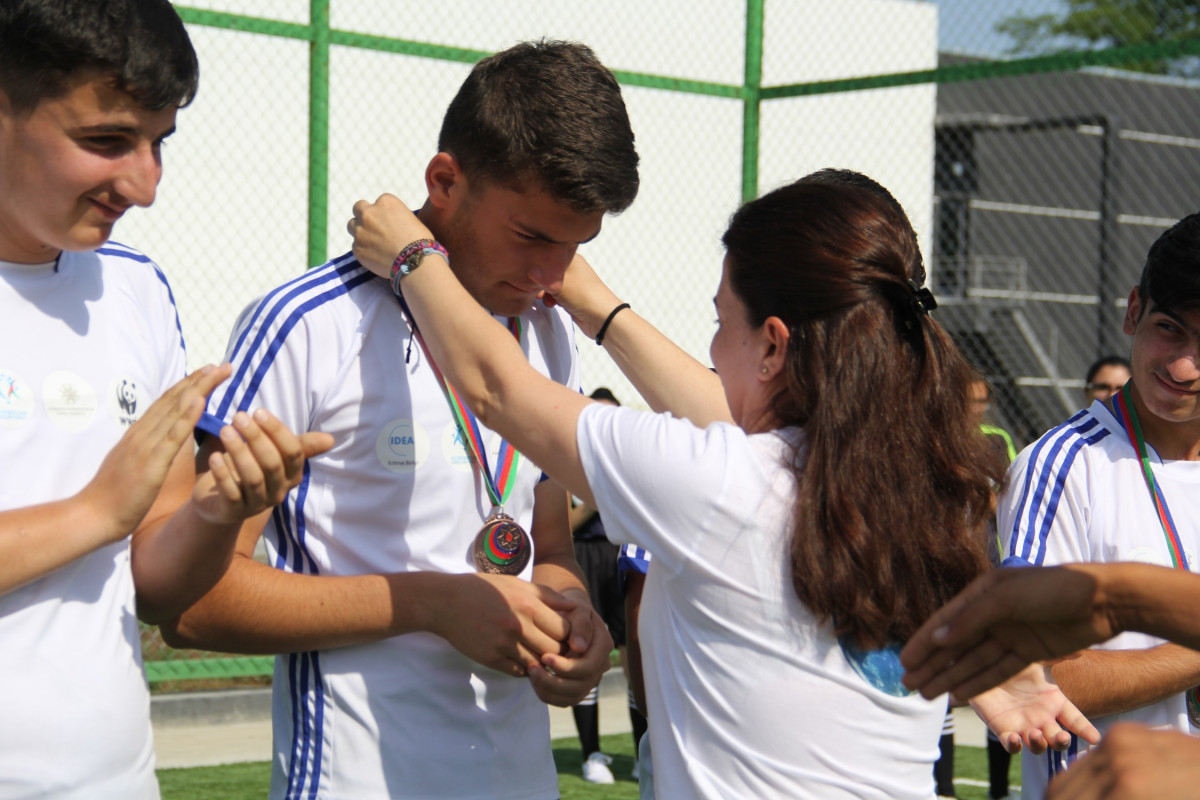
At the end of the championship, the winning team was awarded a cup and medals, and all camp participants received certificates and souvenir gifts.
At the initiative of IDEA Public Union, camps on environmental protection and biodiversity have been organized annually on a regular basis since 2014. During this period, nearly 500 schoolchildren from the districts of Salyan, Neftchala, Goranboy, Samukh, Gakh, Shaki, Masalli, Jalilabad, Yardimli, Lankaran, Astara, Goygol, Lerik, Gabala and Ismayilli have participated in the camps.
The purpose of these camps is to educate young people in the field of ecology, to develop in them a sense of care for nature, to inform schoolchildren living near the habitats of Caucasian leopards about this rare species, and to promote its conservation.