Leyla Aliyeva Visited the Caucasus Leopard Restoration Center in the North Caucasus

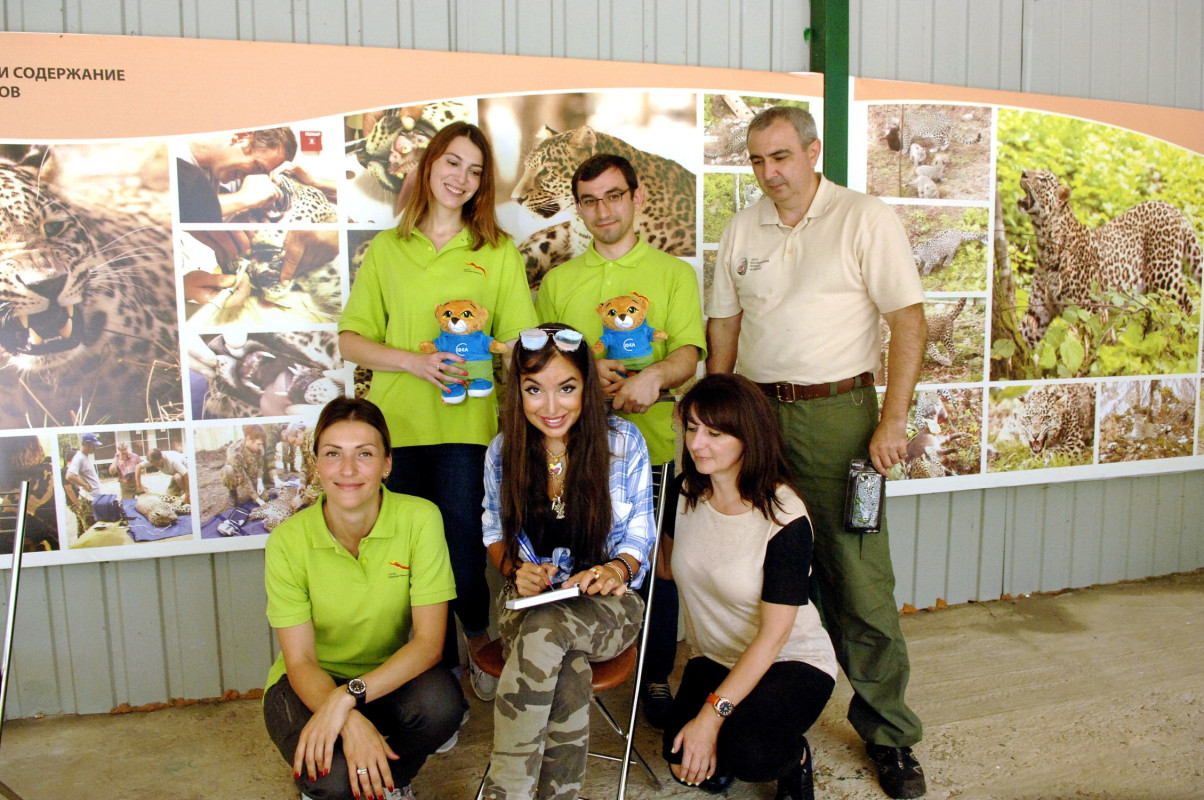
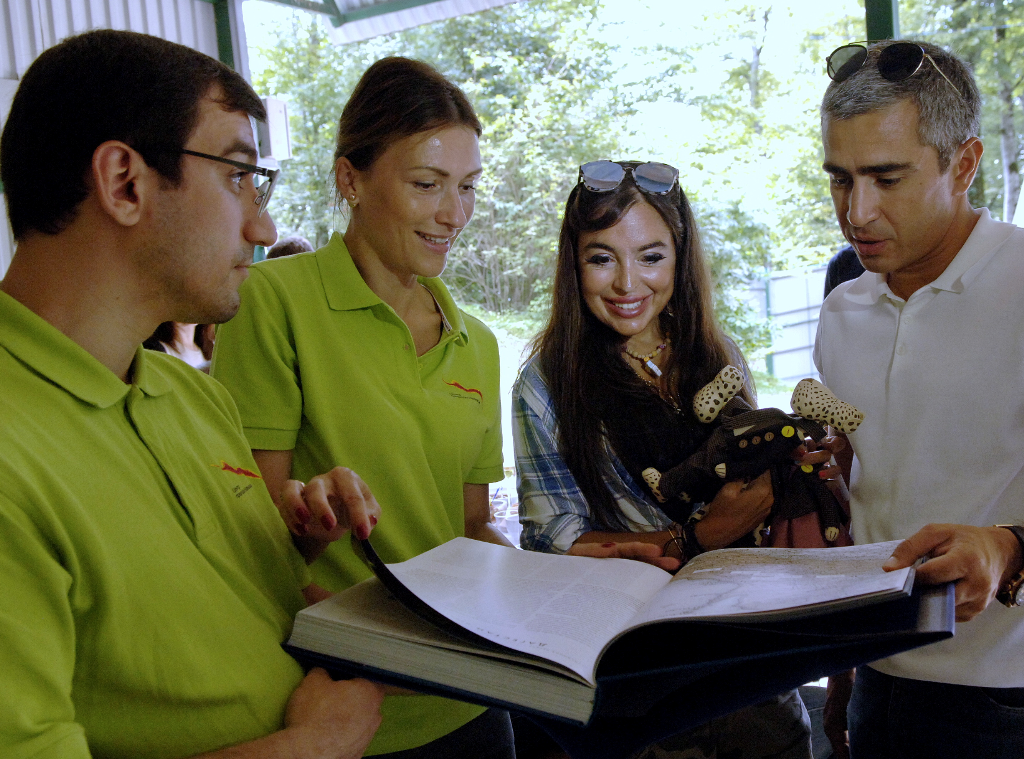
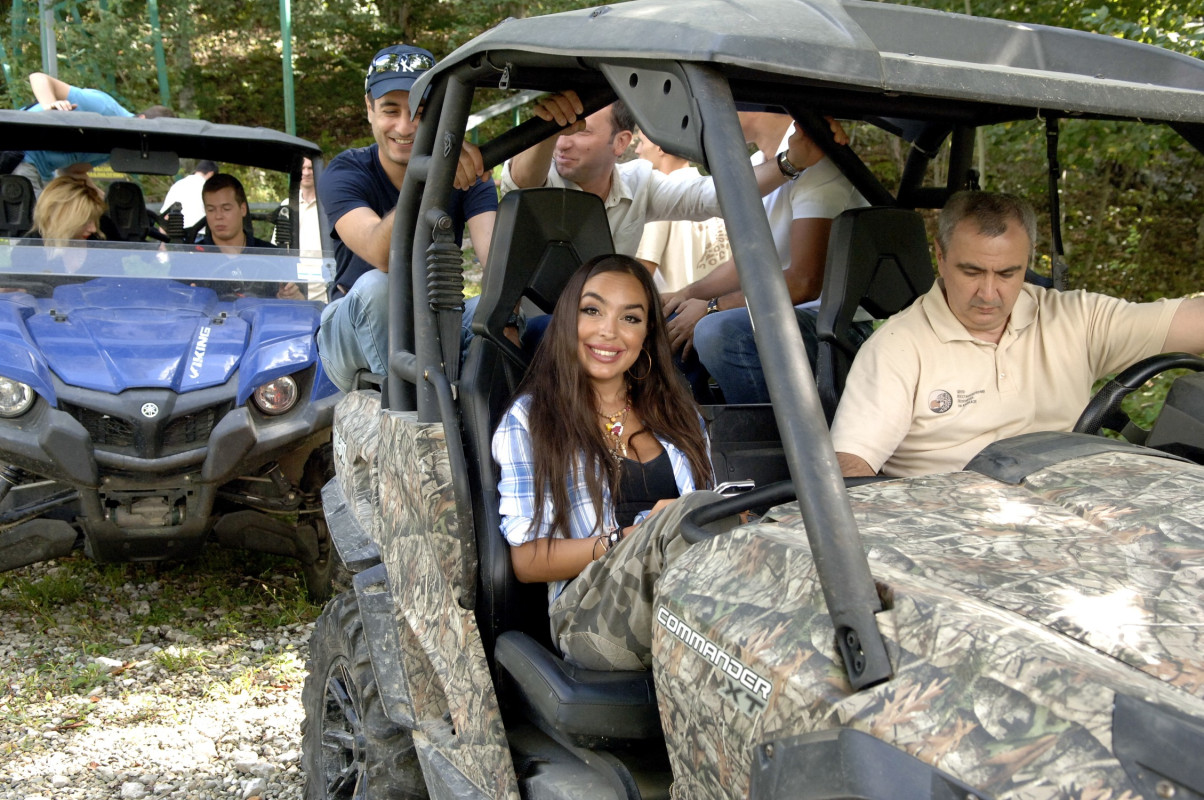
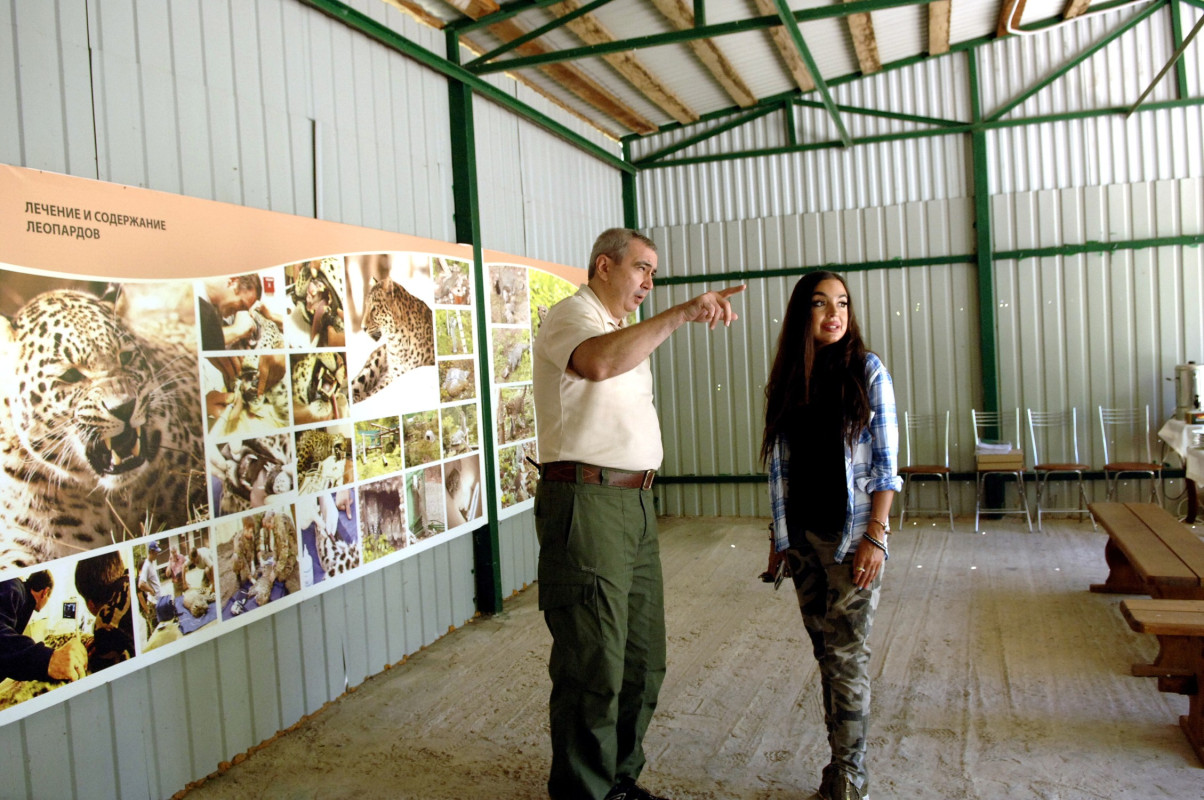
Leyla Aliyeva, founder of IDEA (International Dialogue for Environmental Protection) Public Union and Vice President of the Heydar Aliyev Foundation, visited the Caucasus Leopard Restoration Center in Sochi National Park.
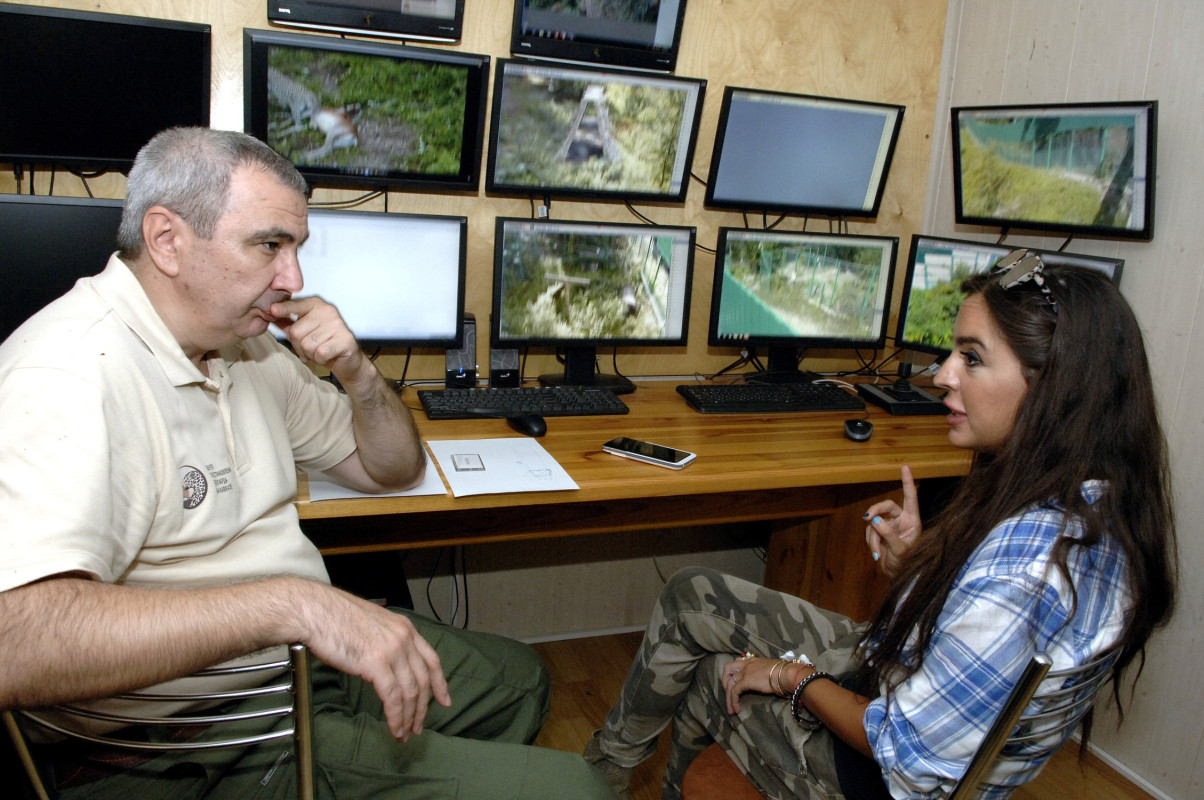
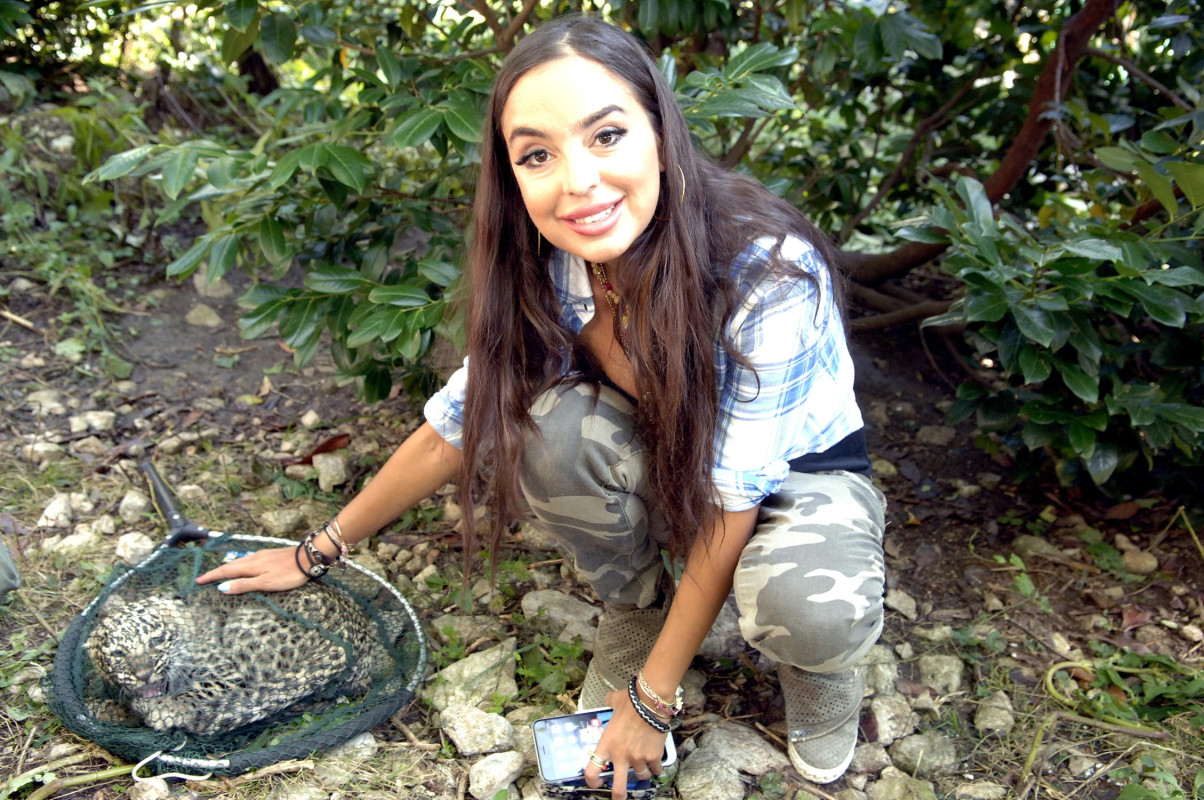
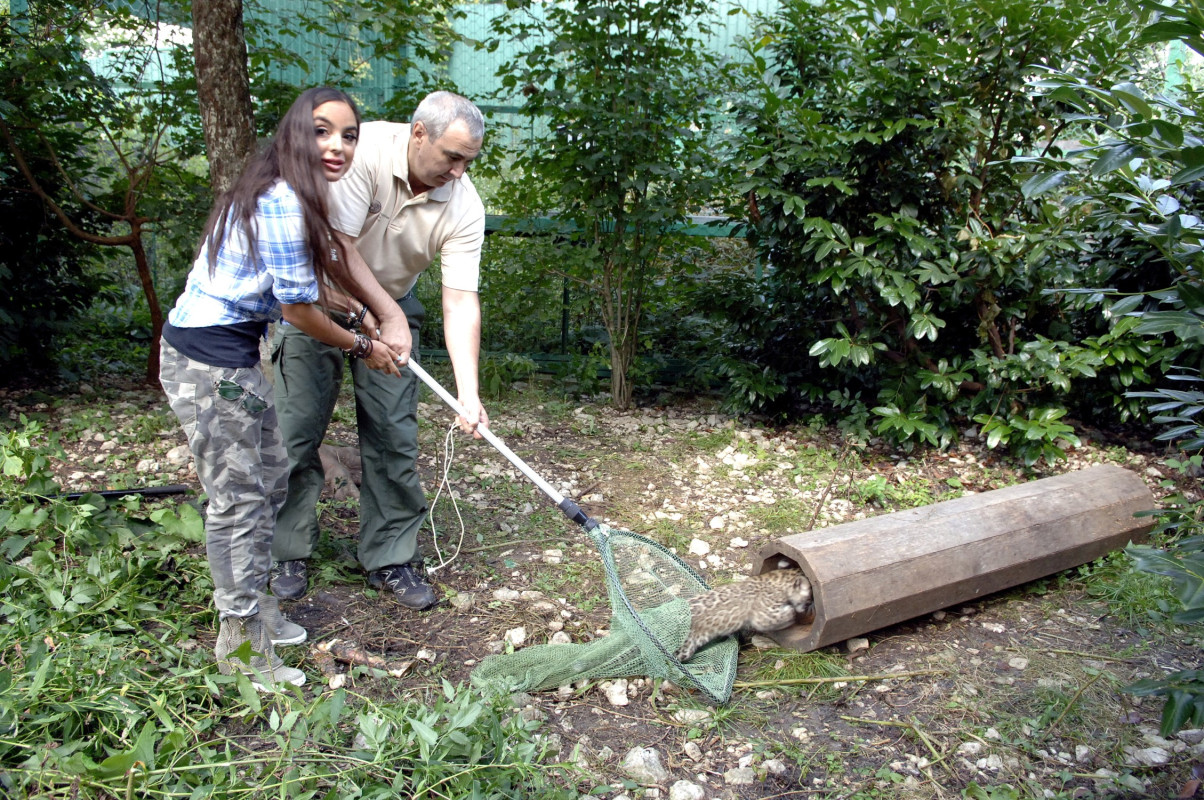
Leyla Aliyeva participated in the vaccination procedure for newborn leopards and held a working meeting with the leadership of the “Caucasus Nature Center” Non-Governmental Organization. The meeting discussed the prospects for restoring the population of the Persian leopard in its historical habitat in the region.
The head of IDEA Public Union, Leyla Aliyeva, stated that the Persian leopard once lived in the wild in Azerbaijan: “Leopards of various types are still found in some remote mountainous areas of the country. Like the Russian Federation, our country understands the importance of protecting this unique predator and reintroducing it to the wild of the Caucasus Mountains. Our states are united not only by common borders but also by joint efforts in nature conservation, including the implementation of the leopard reintroduction program. By involving the best Russian and Azerbaijani ecologists, we can achieve significant results in forming a biologically sustainable population of leopards in the natural environment.”
At the end of June, during the vaccination of newborn leopards at the Caucasus Leopard Restoration Center, the veterinarian and assisting Center staff separated the male Zadiqan and the female Andrea from their mothers, examined them, checked their weight, and vaccinated them against infectious diseases with a special vaccine. Currently, the Center houses two female and one male leopard. Their weights are 4.4, 4.9, and 4.7 kilograms.
The director of the Caucasus Leopard Restoration Center, Umar Semyonov, stated: “This year, six leopards have already been born at our center – three from each of the two females. Such a large litter indicates the good physical and psychological condition of the animals we keep. Thanks to the construction of new enclosures, there will be enough space for the newborn cubs to grow in conditions as close as possible to their natural habitat.”
According to Renat Shyushayten, the CEO of the “Caucasus Nature Center,” the Persian leopard population restoration program has already become one of the most prominent international wildlife conservation projects: “Unfortunately, currently, the status of the Persian leopard population – both in the wild and in zoos – cannot be considered thriving anywhere. In many parts of the world, including Russia, this species cannot be restored alone. In this regard, consolidating efforts with international wildlife conservation organizations, including the Republic of Azerbaijan and IDEA Public Union, is crucial for us. Together with partners, it is necessary to accurately study the historical range where the species previously lived, currently exists, or could emerge as a result of release into the wild in Russia.”
Moreover, cooperation should include the creation of regional strategies, taking into account local conditions and the current state of local populations, as well as ecological education and engagement with the local community.
During the working meeting, field studies conducted by the Caucasus Reserves and National Parks Association with the support of the “Caucasus Nature Center” were also discussed. These studies aim to determine new release zones and form a sustainable wild population of the species in the future. The work is expected to be completed by the end of this year, which will allow ecologists to develop future strategies for the leopard reintroduction program based on potential release areas and available food resources.
The “Caucasus Nature Conservation Center” Non-Governmental Organization (NGO) was established by the “North Caucasus Resorts” Joint Stock Company. The aim of the NGO is to systematically implement projects focused on conserving, enhancing, and protecting the potential of the North Caucasus nature, supporting ecological initiatives in the North Caucasus Federal District, and carrying out nature conservation projects for the protection of rare and endangered species of flora and fauna in the region.
IDEA (International Dialogue for Environmental Protection) Public Union was founded in Baku on July 12, 2011, on the initiative of Leyla Aliyeva, Vice President of the Heydar Aliyev Foundation. The organization’s activities are aimed at informing the public about environmental issues, collaborating with youth, and providing education in the field of ecological problems and their solutions.
The program for the restoration (reintroduction) of the Persian leopard in the Caucasus has been implemented since 2007 on the initiative of the President of the Russian Federation, Vladimir Putin. For the development of the program, the Caucasus Leopard Restoration Center was built in Sochi National Park. Currently, the Center houses 13 species of animals listed in the “Red Book,” and three leopards were released into the wild of the Caucasus Biosphere Reserve on July 15, 2016. Specialists continue to work on forming pairs, caring for newborn leopards, and preparing young leopards for release into the wild.