Absheron National Park

About Absheron National Park
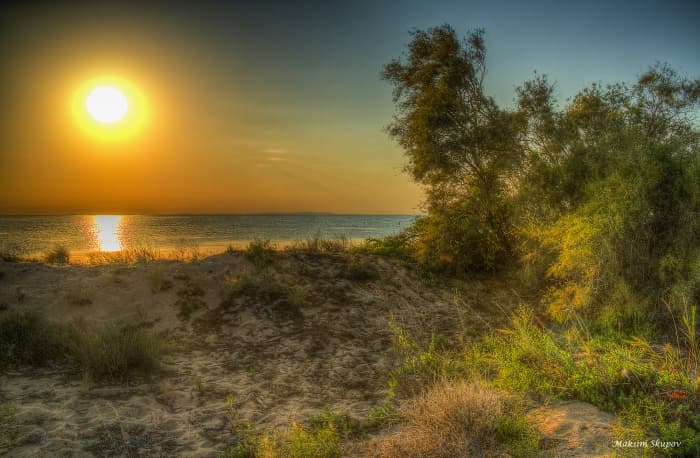
Absheron National Park is one of Azerbaijan’s most distinctive protected natural areas. Established on 8 February 2005, the park was created to preserve the unique coastal ecosystems of the Absheron Peninsula along the Caspian Sea. Its landscape combines seashore zones, wetlands, and semi-desert terrain.
Covering an area of 783 hectares, Absheron National Park serves as an important habitat for biodiversity and a key stopover for migratory birds. The park plays a vital role in conserving endangered species and maintaining ecological balance in the region.

Eco-tourism in Absheron National Park
Eco-tourism activities in Absheron National Park are organized in accordance with nature conservation principles. Visitors can observe coastal and wetland landscapes while watching birds in their natural habitat. The park also offers excellent opportunities for photo tourism and environmental education.
Educational initiatives within the park help raise awareness about the importance of coastal ecosystems. This approach supports the development of responsible tourism while minimizing human impact on nature.
Flora of Absheron National Park
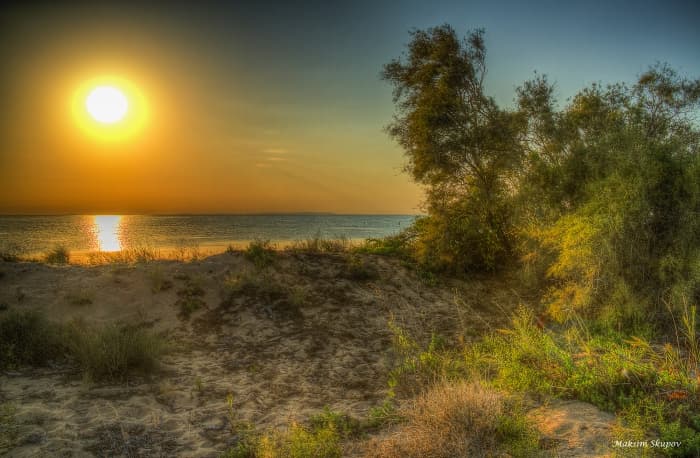
The flora of the park consists of plant species adapted to semi-desert and wetland conditions. Common plants include wormwood, bindweed, wild carrot, common reed, and sharp sedge. These species play an important role in stabilizing soil and protecting coastal areas.
In wetland zones, vegetation becomes denser, providing natural shelter for wildlife. The plant cover of the park is a key factor in sustaining the overall ecosystem.
Fauna of Absheron National Park
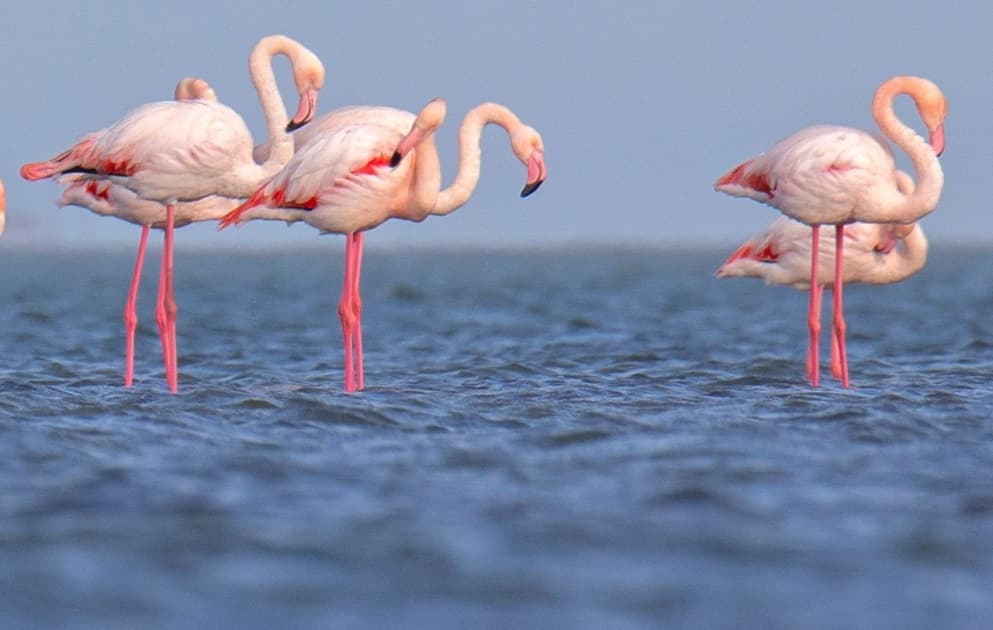
Absheron National Park is home to diverse fauna. Water birds such as the greater flamingo, northern pintail, and pygmy cormorant are frequently observed, alongside mammals like the grey wolf and golden jackal. The park also provides suitable habitats for reptiles, including the Mediterranean tortoise, Caspian turtle, and dice snake.
The presence of Red Book species such as the Caspian seal, goitered gazelle, purple swamphen, Dalmatian pelican, and mute swan highlights the park’s critical role in wildlife conservation.


