Aghgol National Park
About Aghgol National Park
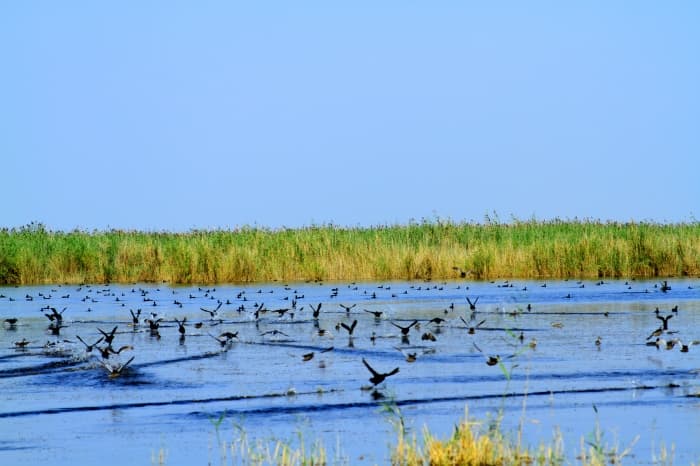
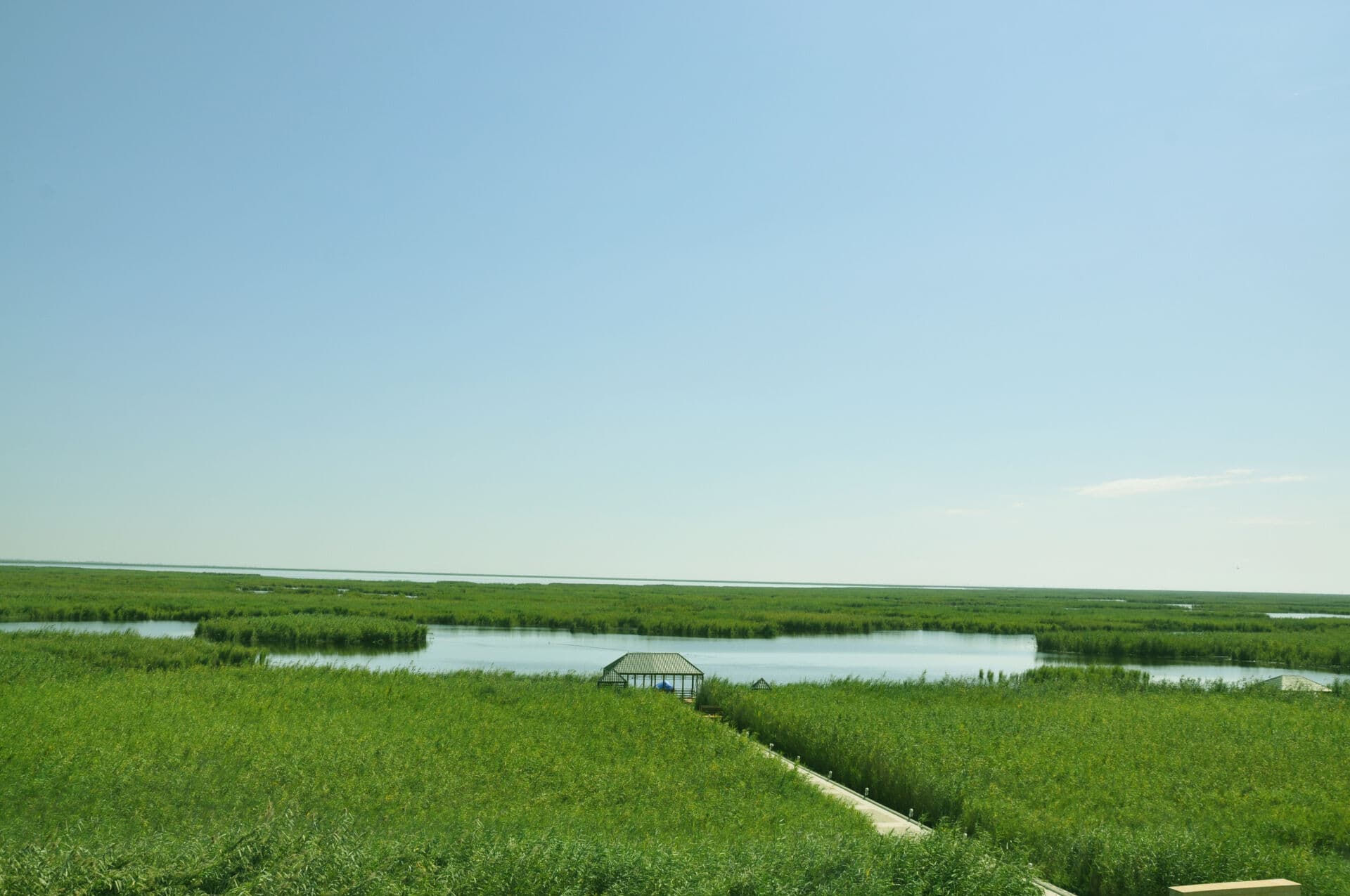
Aghgol National Park was established on 5 July 2003 to protect important wetland ecosystems of Azerbaijan. The park is located in the Kura–Araz lowland, within the territories of Aghjabadi and Beylagan districts, and is recognized as one of the country’s key bird habitats.
Covering an area of 17,924 hectares, Aghgol National Park features semi-desert landscapes, flatland lakes, and extensive wetland areas. Due to its location along major migratory routes, the park plays a crucial role in conserving biodiversity and maintaining ecological balance.
Eco-tourism in Aghgol National Park
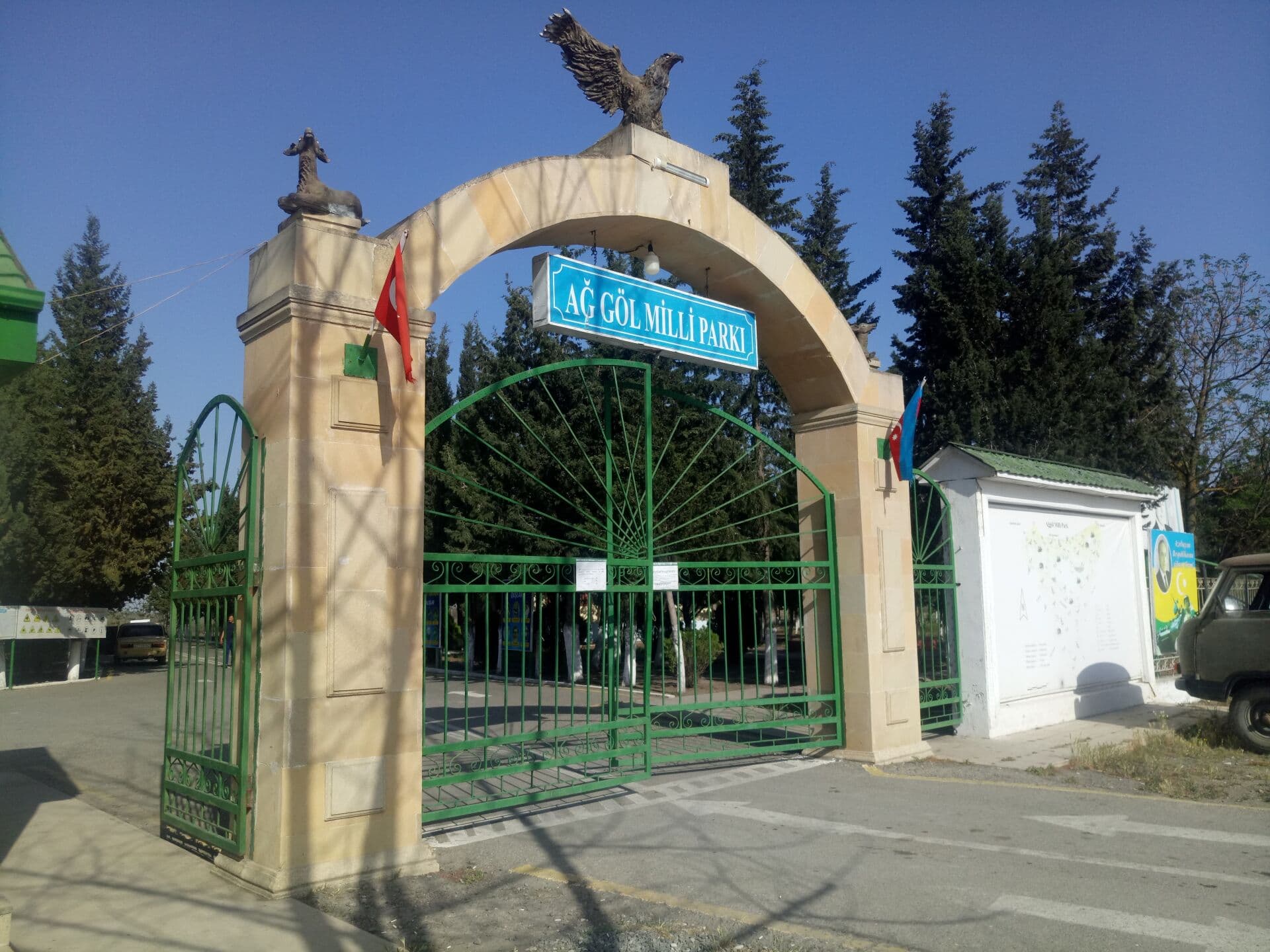
Eco-tourism in Aghgol National Park primarily focuses on birdwatching and environmental education. The park’s wetlands provide ideal conditions for observing various water bird species in their natural habitat, especially during migration and wintering periods.
Tourism activities are organized in line with nature conservation principles, ensuring minimal human impact on sensitive ecosystems while promoting awareness of wetland protection.
Flora of Aghgol National Park
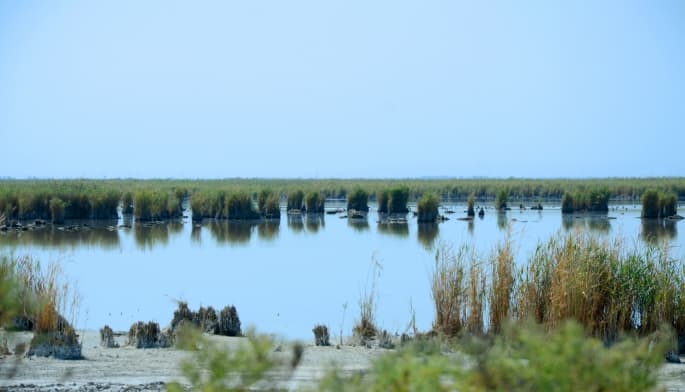
The flora of the park consists of plant species adapted to semi-desert and wetland environments. Common species include wormwood, glasswort, Halostachys caspica, and Kalidium caspicum. These plants are well adapted to saline soils and arid conditions.
In wetland areas, denser vegetation supports wildlife by providing feeding and shelter zones. Plant diversity plays a vital role in sustaining the park’s ecological systems.
Fauna of Aghgol National Park
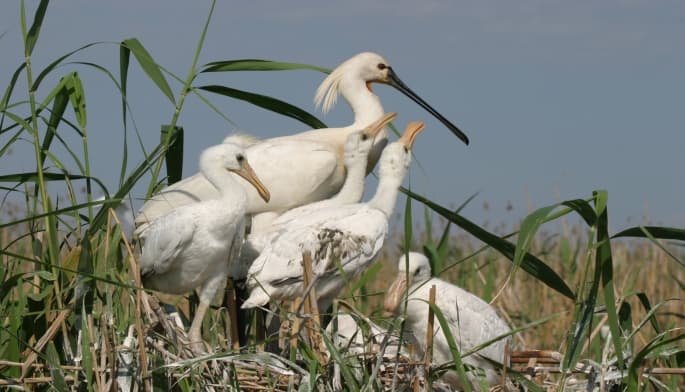
Aghgol National Park is especially rich in fauna, particularly bird species. The park is home to black francolin, pratincole, little bustard, marbled duck, ferruginous duck, and lesser white-fronted goose, among many others. Water birds form the core of the park’s fauna.
Mammals such as wild boar and grey wolf, as well as reptiles like vipers, are also found in the area. The presence of Red Book species, including the jungle cat, goitered gazelle, marbled duck, and white-headed duck, highlights the park’s importance in wildlife conservation.


