Altıagac National Park
About Altıagac National Park
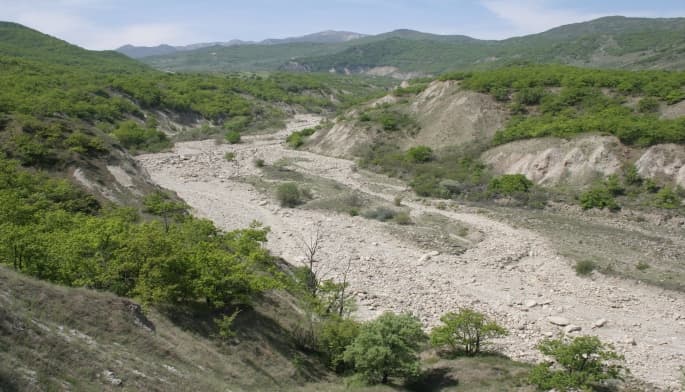
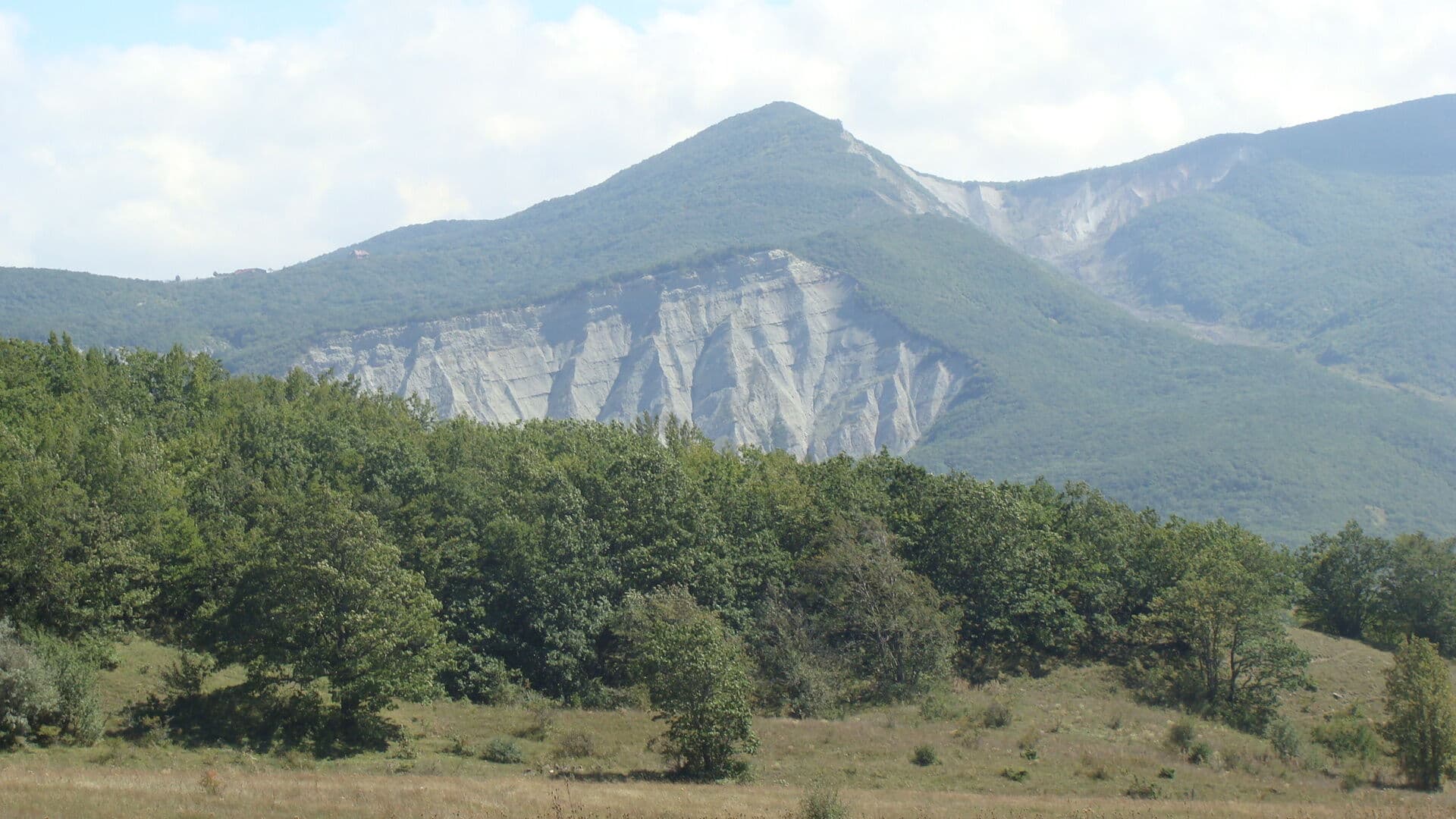
Altıagac National Park was established on 31 August 2004 to protect mountain and forest ecosystems of Azerbaijan. The park is located on the southeastern foothills of the Greater Caucasus Mountains, within the Khizi district, and is known for its diverse natural landscapes.
Covering an area of 11,035 hectares, Altıagac National Park features mountain forests, alpine meadows, semi-desert zones, and forest-steppe landscapes. This diversity enhances the park’s biological richness and plays an important role in maintaining ecological balance.
Eco-tourism in Altıagac National Park
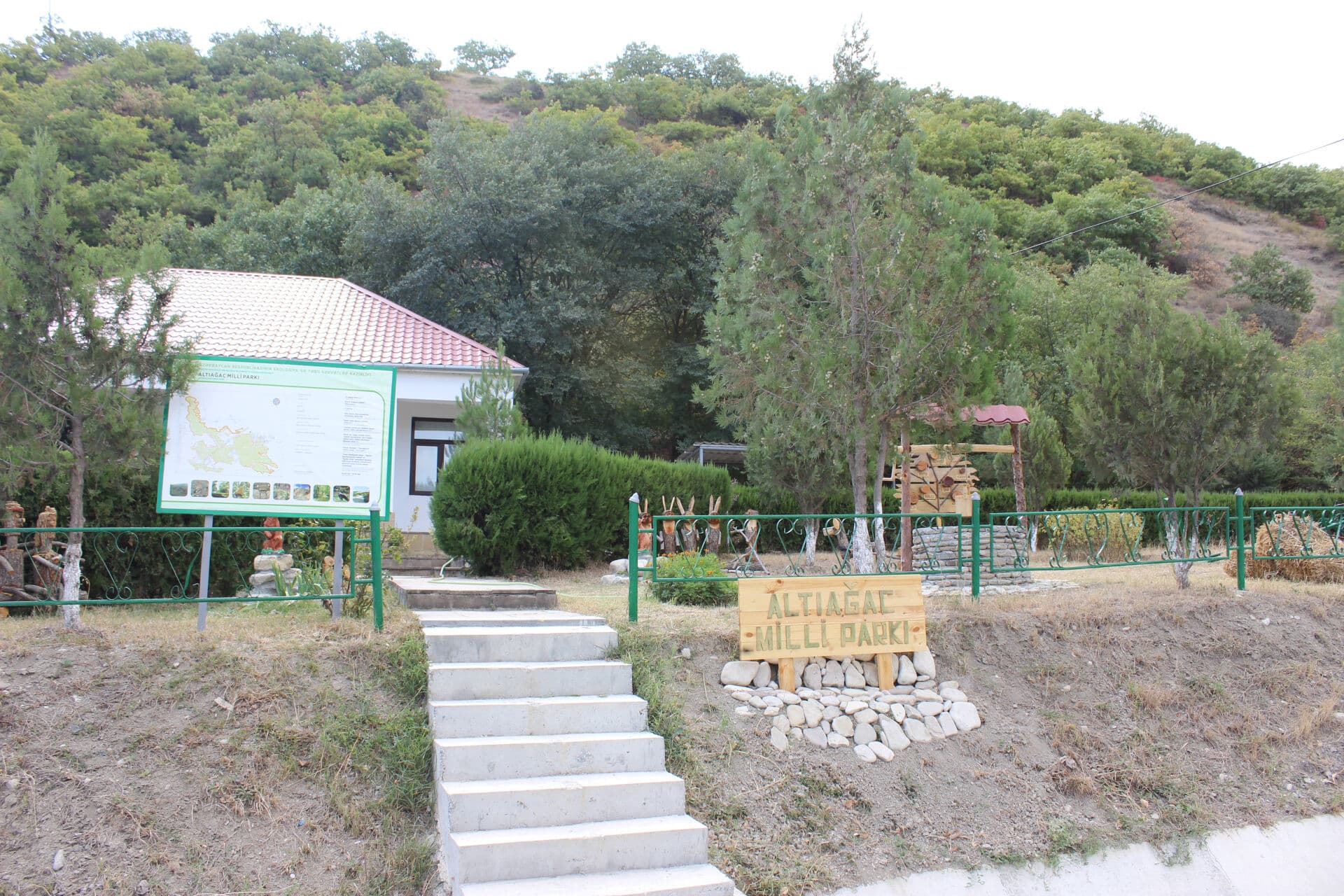
Altıagac National Park offers favorable conditions for eco-tourism. Its forested and mountainous areas provide excellent opportunities for hiking, nature observation, and photo tourism. Clean air and scenic views allow visitors to experience the region’s natural beauty up close.
Eco-tourism activities are developed in accordance with conservation principles, encouraging visitors to explore nature responsibly while preserving the park’s ecological values.
Flora of Altıagac National Park
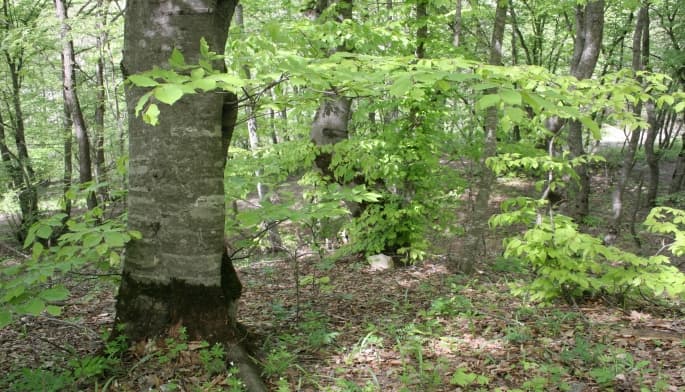
The flora of the park is dominated by mountain forest and forest-steppe vegetation. Common tree species include Caucasian hornbeam, ash, and Oriental beech, along with shrubs such as medlar, barberry, and hawthorn. These plants contribute significantly to the stability of the park’s ecosystems.
In addition, rare and relict plant species can be found within the park, increasing its botanical importance and conservation value.
Fauna of Altıagac National Park
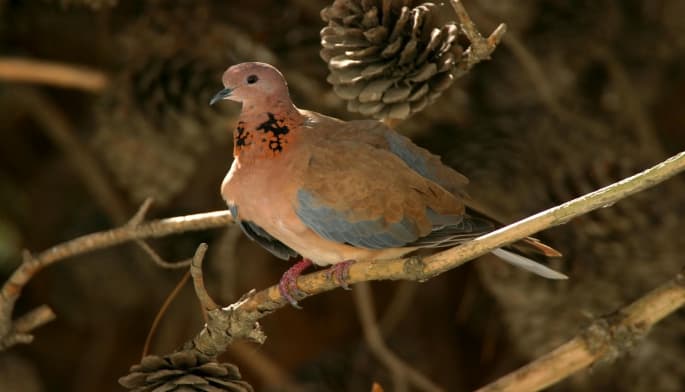
Altıagac National Park is home to diverse fauna. Mammals such as the grey wolf, wild boar, European hare, and red fox inhabit the area, while bird species include quail, ring ouzel, chukar partridge, and wood pigeon. The park provides suitable habitats for both forest and mountain wildlife.
The presence of Red Book species such as the brown bear, Eurasian lynx, European roe deer, and bearded vulture highlights the park’s significant role in biodiversity conservation.


