Hirkan National Park
Hirkan’s Ecological Wealth
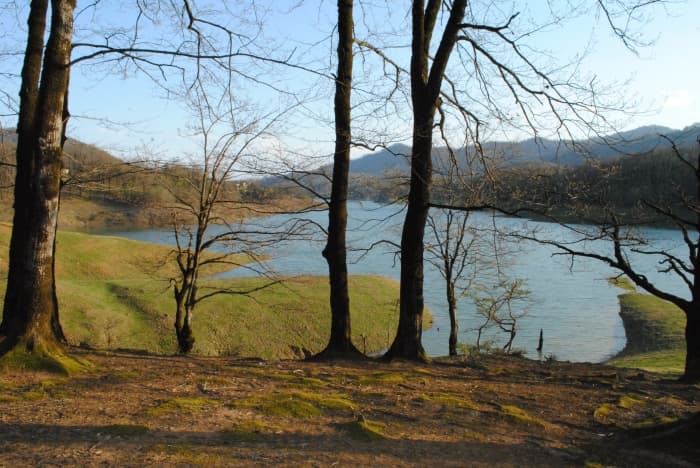
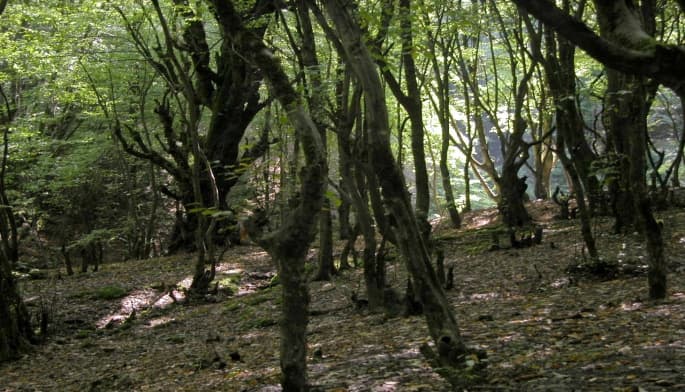
Hirkan National Park was established on February 9, 2004, to protect the unique forest ecosystems of the Talysh Mountains. Covering 40,358 hectares across Astara and Lankaran regions, the park stretches along the Caspian Sea coast and stands out for its exceptional biodiversity. Its humid subtropical climate supports a wide variety of plant and animal species.
The park represents the core area of the globally significant Hyrcanian Forests, home to numerous relic and endemic species. This makes Hirkan National Park one of the most important natural heritage sites in Azerbaijan and a rare ecological treasure in the South Caucasus.
Eco-tourism in Hirkan National Park
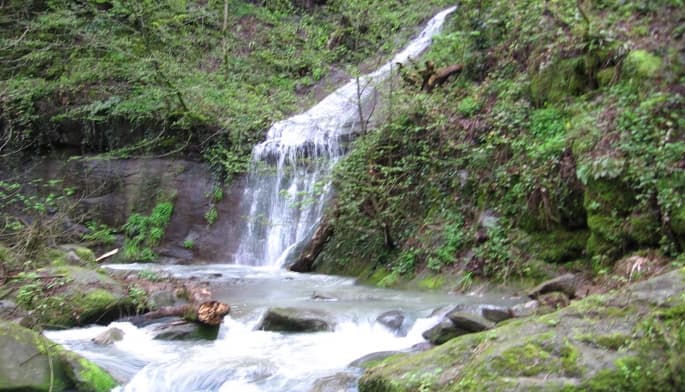
Hirkan National Park offers significant opportunities for eco-tourism. Visitors can explore forest trails, observe unique wildlife habitats, and discover ancient Hyrcanian forests. Special observation points and educational signage enhance visitor experience while promoting responsible nature interaction.
The park is a key destination for scientific studies, including botanical and ornithological research. The dense forest landscapes create ideal conditions for the long-term conservation of biodiversity and provide a deep connection with nature for every visitor.
Flora of Hirkan National Park
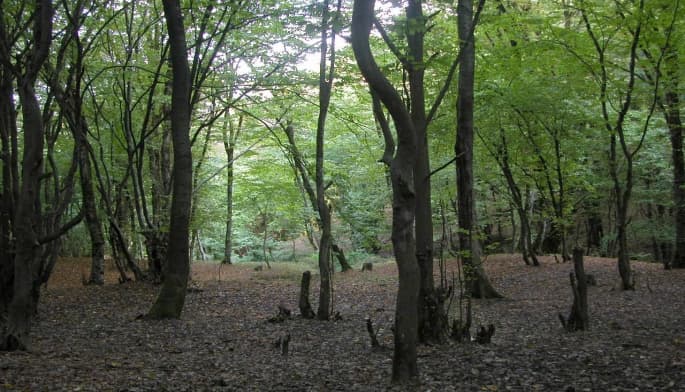
The park is dominated by humid subtropical forests. Species such as ironwood, chestnut-leaf oak, alder, Hyrcan acacia, and Persian silk vine are widely spread. Many of these are relic species originating from the Tertiary period, surviving only in this region today.
Over 1,500 plant species create an impressive level of diversity. The unique genetic heritage of the Hyrcanian forests has gained international recognition. The vegetation plays a crucial role in habitat stability, feeding and protecting wildlife, and regulating the local climate.
Fauna of Hirkan National Park
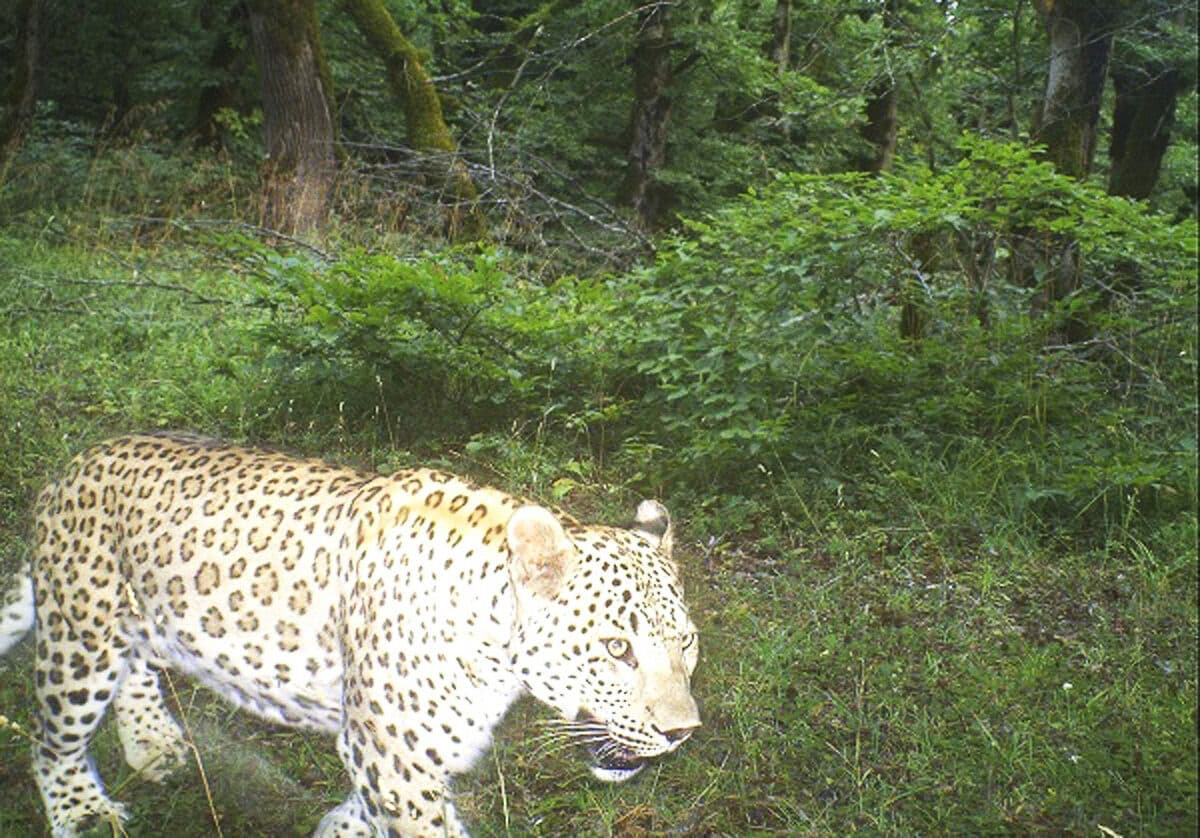
Hirkan National Park is home to many rare and protected animal species, including wild boars, badgers, raccoons, wolves, lynxes, and brown bears. The park is also an important site for bird observation, where species like the black stork and Talish pheasant can be found.
Critically endangered animals such as the Persian leopard, striped hyena and booted eagle are strictly protected here. The richness of forest habitats supports the development of diverse bird and mammal populations, making Hirkan a vital ecological refuge.


