Gizilagaj National Park
About Gizilagaj National Park
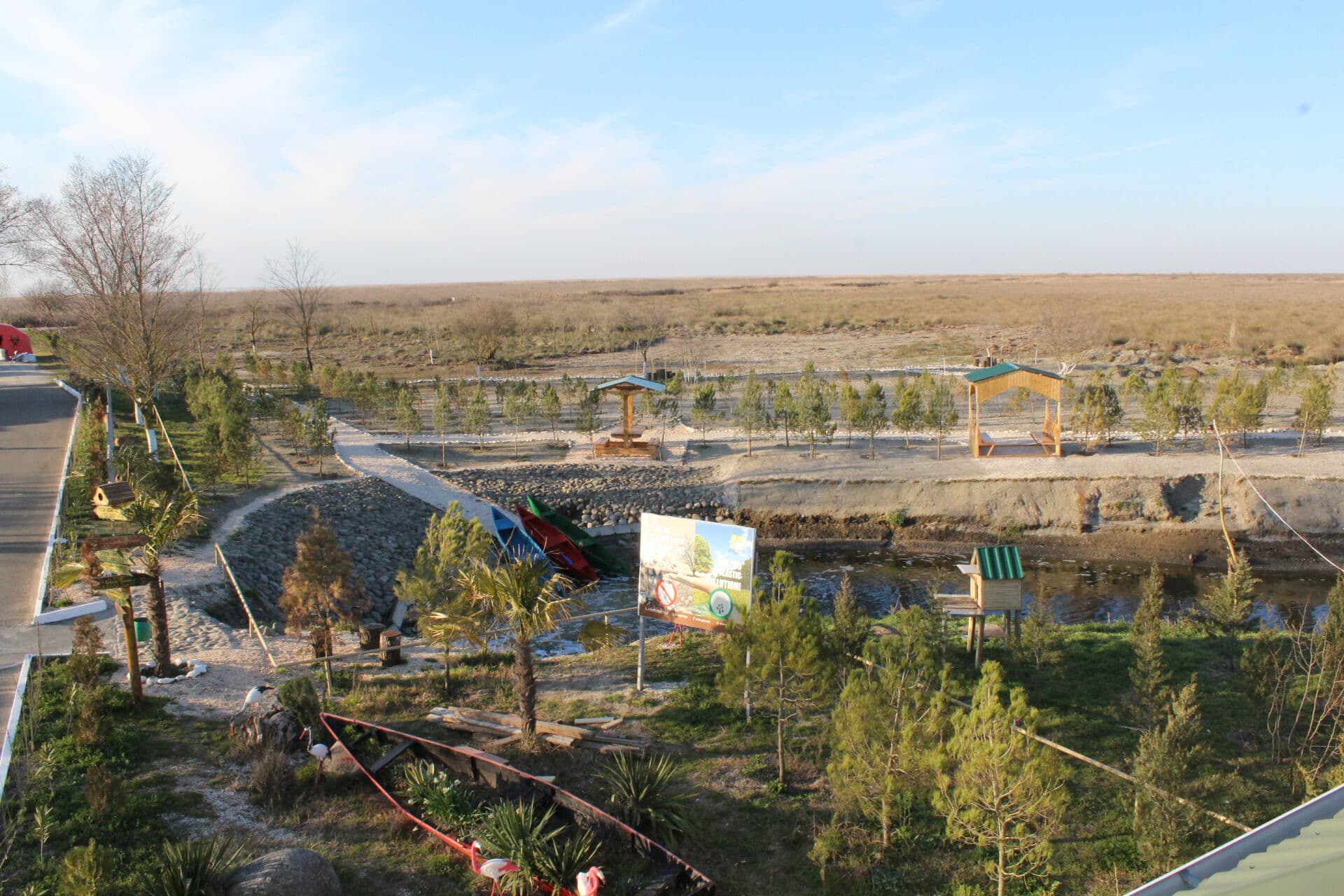
Gizilagaj National Park is one of Azerbaijan’s largest and most ecologically significant wetland protected areas. Established on 26 September 2018, the park was created to conserve unique ecosystems along the Caspian Sea coastline. It spans the territories of Lankaran, Masalli, and Neftchala districts.
Covering an area of 99,060 hectares, Gizilagaj National Park is characterized by extensive wetlands and coastal ecosystems. The park serves as a major migration and wintering site for birds and plays a crucial role in protecting rare plant and animal species.
The surroundings of Gizilagaj National Park feature rich natural and cultural heritage sites, including the Sheikh Zahid Mausoleum, Khalifa Mausoleum, Circular Fortress (“Zindan”), Mirahmad Khan’s House, Lankaran Lighthouse, and Ballebur Fortress. These landmarks reflect the region’s historical depth and enhance its eco-cultural tourism potential.
Eco-tourism in Gizilagaj National Park
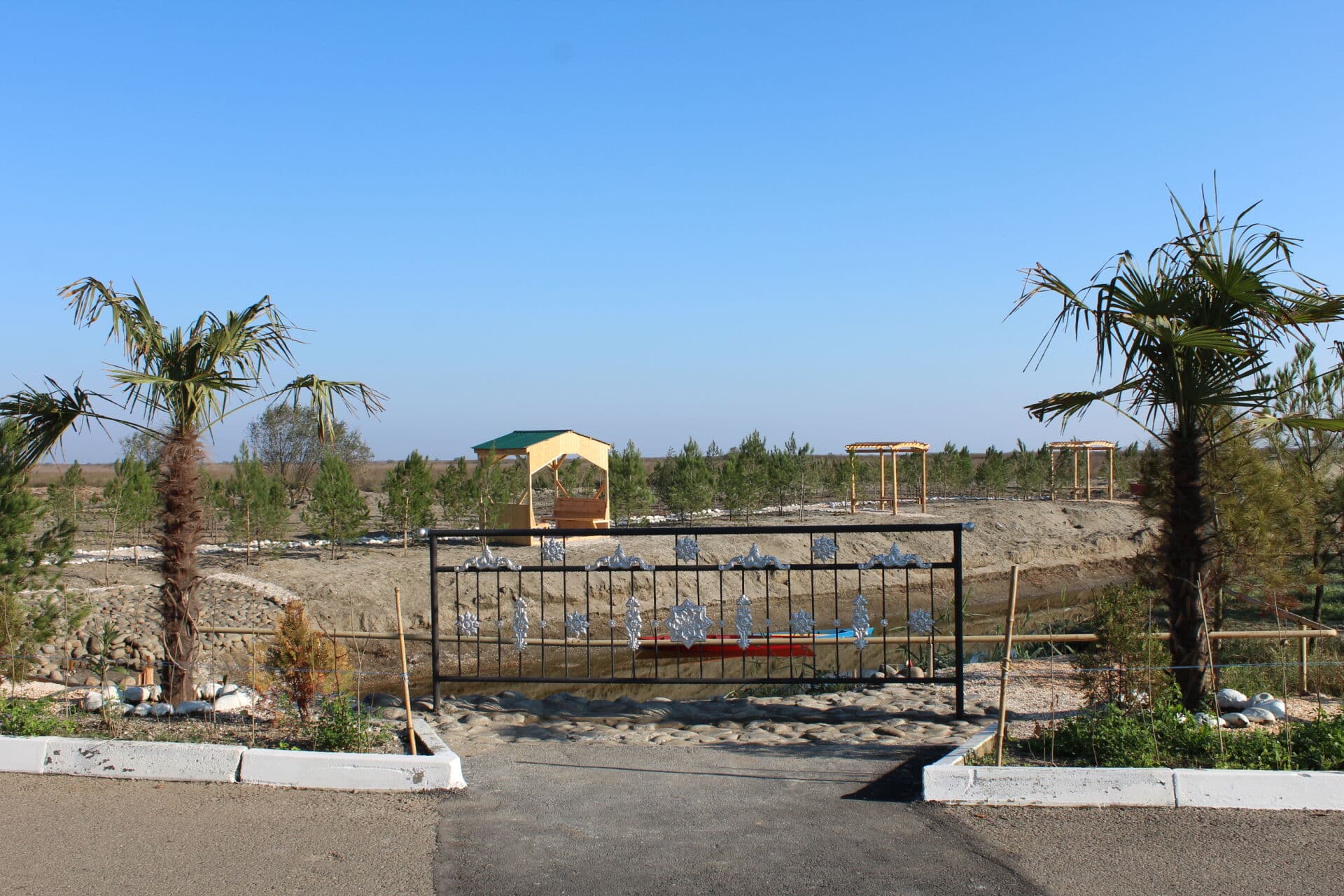
Eco-tourism activities in Gizilagaj National Park focus primarily on birdwatching, environmental education, and ecological research. The vast wetland areas provide ideal conditions for observing birds in their natural habitat.
Tourism activities are carefully managed in line with conservation principles to minimize human impact on sensitive ecosystems and ensure long-term sustainability.
Flora of Gizilagaj National Park
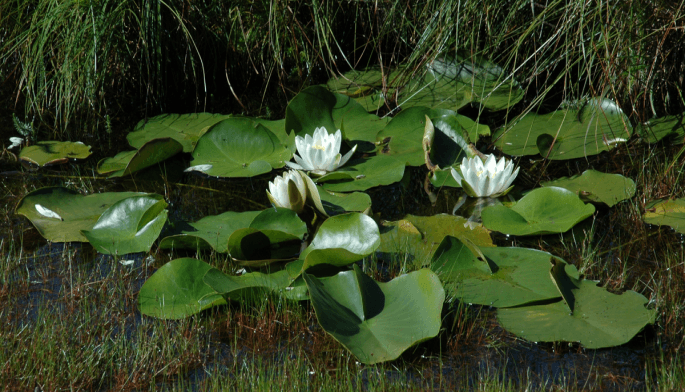
The flora of Gizilagaj National Park is rich in wetland and coastal plant species. Common plants include Caspian lotus, white water lily, arrowhead, common reed, and sea club-rush. These species are well adapted to aquatic environments and play an essential role in maintaining ecological balance.
The park is also home to several Caucasus endemic species as well as a plant species endemic to Azerbaijan, highlighting its outstanding botanical importance.
Fauna of Gizilagaj National Park
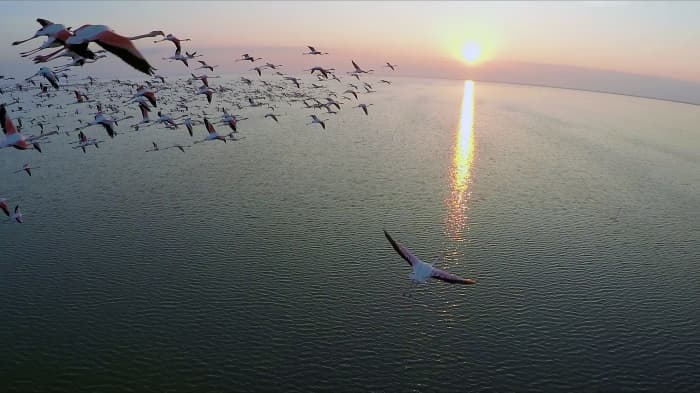
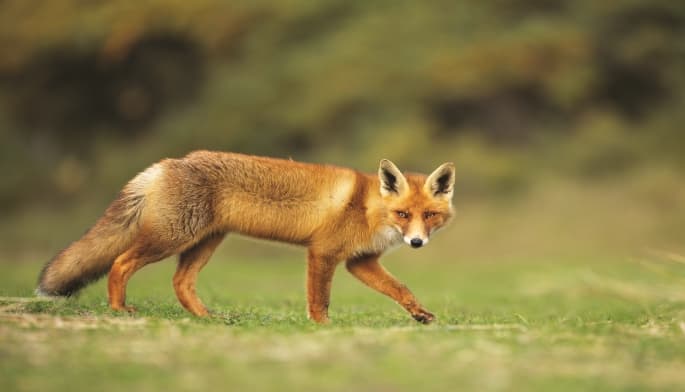
Gizilagaj National Park hosts diverse fauna. Bird species such as black francolin, little crake, and little egret are found here alongside mammals like wild boar and grey wolf. The park is particularly important for water birds.
The presence of Red Book species, including the jungle cat, greater flamingo, lesser white-fronted goose, marbled duck, and little bustard, underscores the park’s vital role in biodiversity conservation.


