Shahdag National Park
About Shahdag National Park
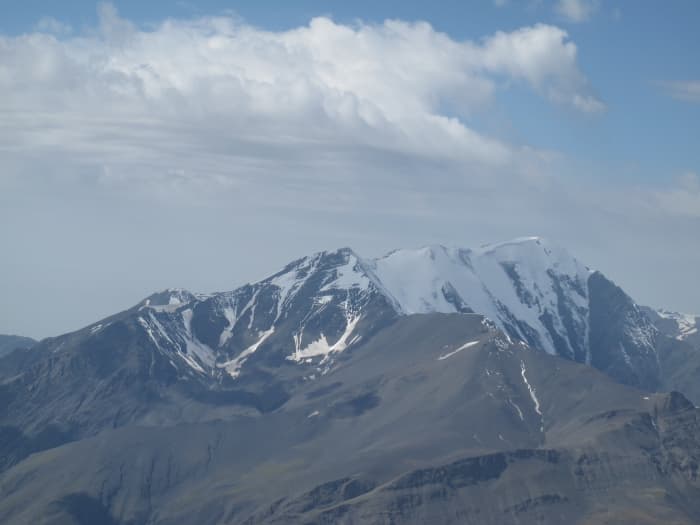
Shahdag National Park is one of the largest and most ecologically significant protected areas in Azerbaijan. Established on 8 December 2006, the park is located within the Greater Caucasus mountain range and spans the territories of Quba, Qusar, Ismayilli, Gabala, Oghuz, and Shamakhi districts. This vast area is of strategic importance for the conservation of mountain ecosystems.
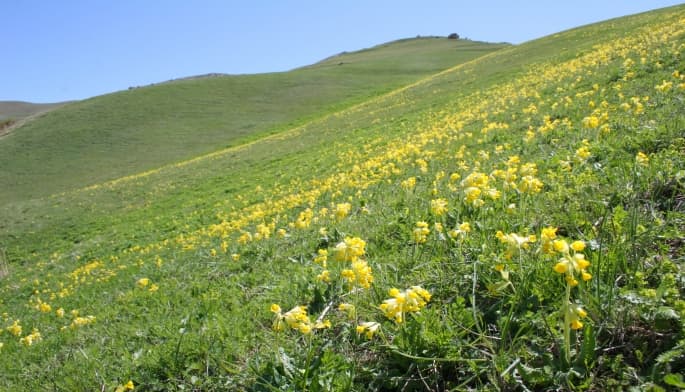
Covering an area of 130,508.1 hectares, Shahdag National Park features a diverse combination of mountain forests, alpine meadows, and rocky landscapes. The park includes multiple altitude zones, resulting in rich biodiversity and playing a vital role in maintaining natural ecological processes.
Eco-tourism in Shahdag National Park
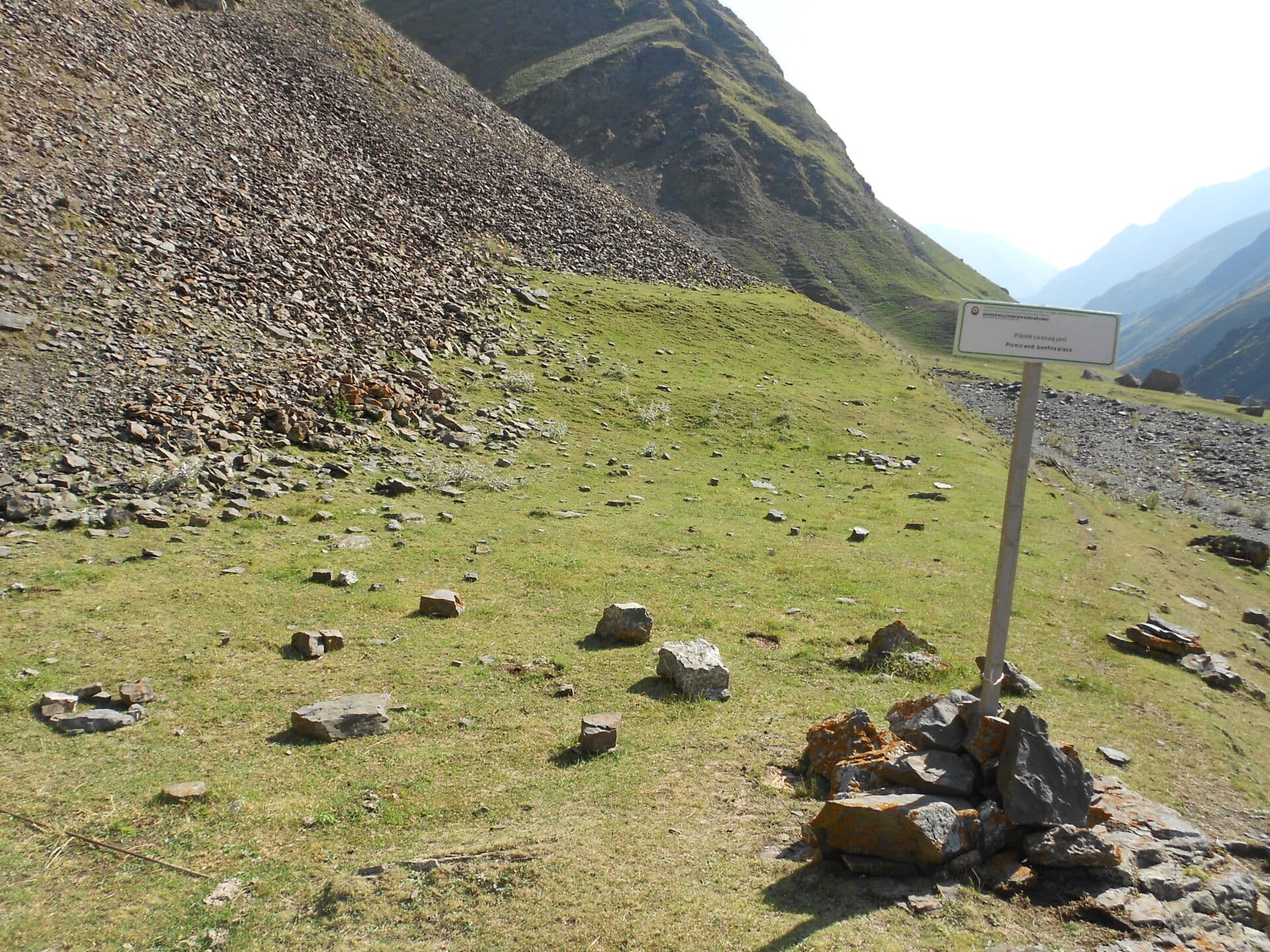
Shahdag National Park offers extensive opportunities for eco-tourism. Mountain hiking, nature observation, photo tourism, and seasonal outdoor activities are among the park’s key attractions. Alpine meadows and high-altitude landscapes provide visitors with unique and memorable nature experiences.
Eco-tourism activities are carefully managed in accordance with conservation regulations, promoting responsible interaction with nature while supporting sustainable tourism development.
Flora of Shahdag National Park
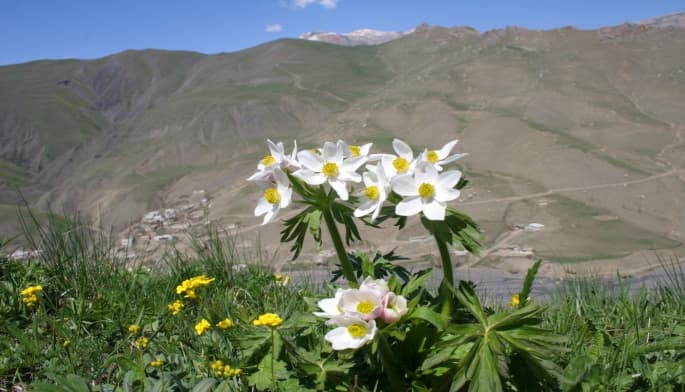
The flora of Shahdag National Park is rich in plant species typical of mountain and forest ecosystems. Common tree species include Oriental oak, Caucasian hornbeam, Oriental beech, ash, and yew. In addition, maple, willow, walnut, cherry, apple, pear, and medlar trees contribute to the park’s diverse vegetation.
Shrubs such as hawthorn, blackberry, rosehip, and barberry are widespread across mountain slopes and play an important role in maintaining ecosystem stability.
Fauna of Shahdag National Park
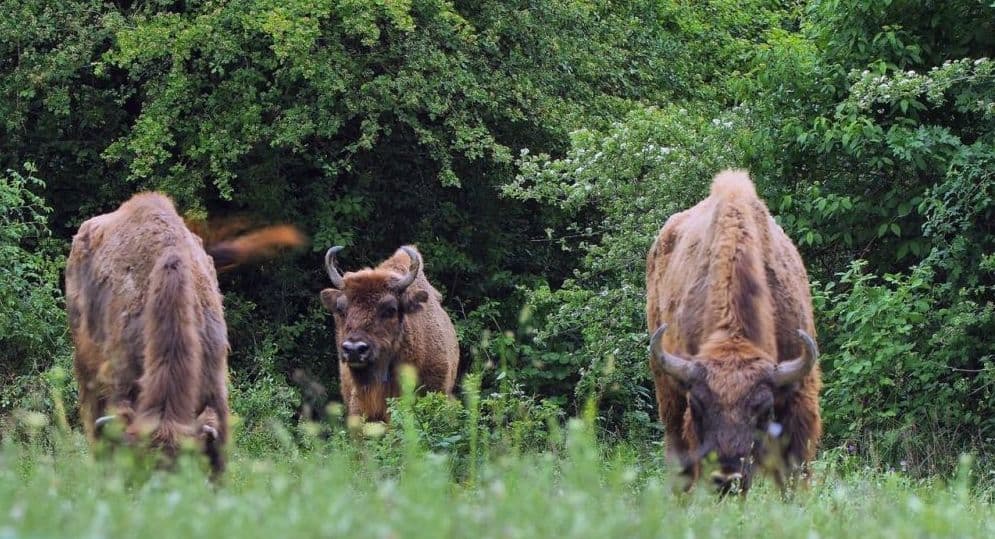
Shahdag National Park hosts a wide variety of fauna. Mammal species include the East Caucasian tur, wild boar, grey wolf, red fox, golden jackal, hare, squirrel, raccoon, and badger. The park also supports a rich bird population.
The presence of Red Book species such as the brown bear, red deer, European roe deer, Caucasian chamois, Eurasian lynx, golden eagle, imperial eagle, Caucasian black grouse, and Caucasian snowcock highlights the park’s crucial role in biodiversity conservation.


