Samur-Yalama National Park
About Samur-Yalama National Park
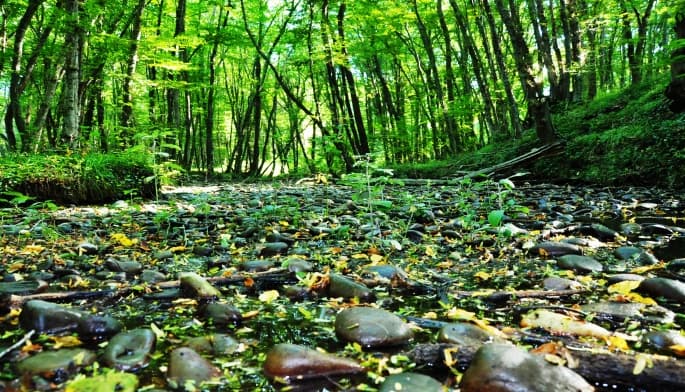
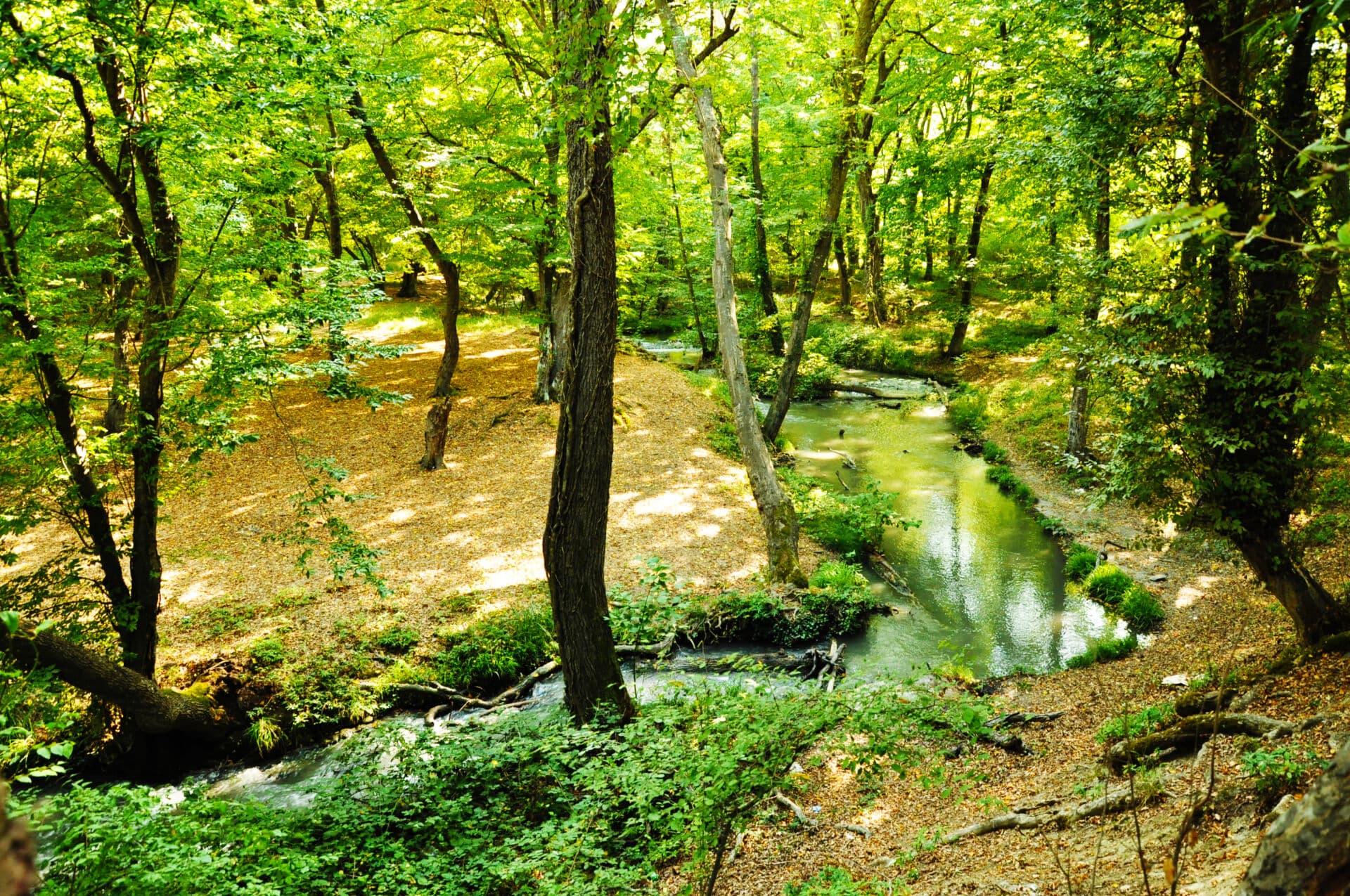
Samur-Yalama National Park is an important protected natural area located in the north-eastern part of Azerbaijan. Established on 5 November 2012, the park is situated in the Caspian coastal zone, within the Samur-Shabran lowland in the Khachmaz district. The area is of special importance for the conservation of lowland forest ecosystems.
Covering an area of 11,772.45 hectares, Samur-Yalama National Park is characterized by a combination of forest and plain landscapes. The park plays a vital role in preserving biodiversity and maintaining the ecological balance of the Caspian coastal region.
Eco-tourism in Samur-Yalama National Park
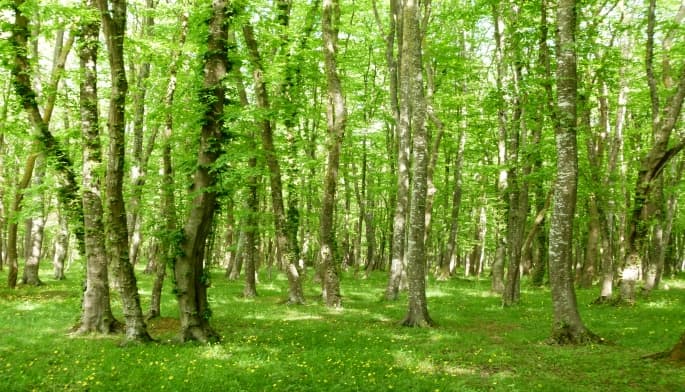
Samur-Yalama National Park offers favorable conditions for eco-tourism. Its forested and plain areas are suitable for nature walks, observation routes, and environmental education activities. Visitors can explore diverse landscape types and gain insight into the region’s natural heritage.
Eco-tourism activities are organized in accordance with conservation principles, ensuring minimal impact on natural ecosystems while promoting environmental awareness.
Flora of Samur-Yalama National Park
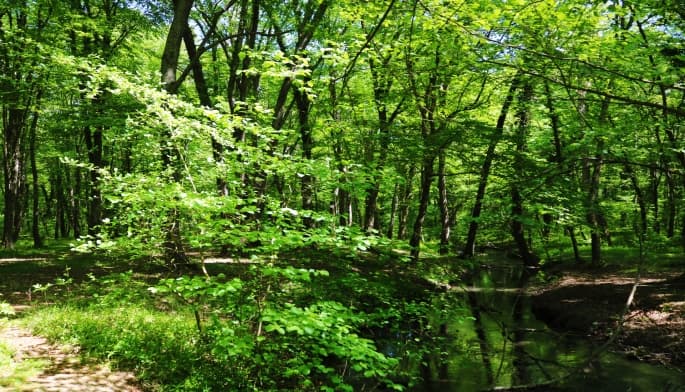
The flora of the park is rich and diverse. Common tree species include field maple, Georgian oak, Oriental beech, ash, and alder. In addition, plant species such as long-leaf helleborine, Bieberstein tulip, medlar, and wild strawberry contribute to the park’s botanical diversity.
The presence of rare and protected plant species enhances the ecological and scientific value of Samur-Yalama National Park.
Fauna of Samur-Yalama National Park
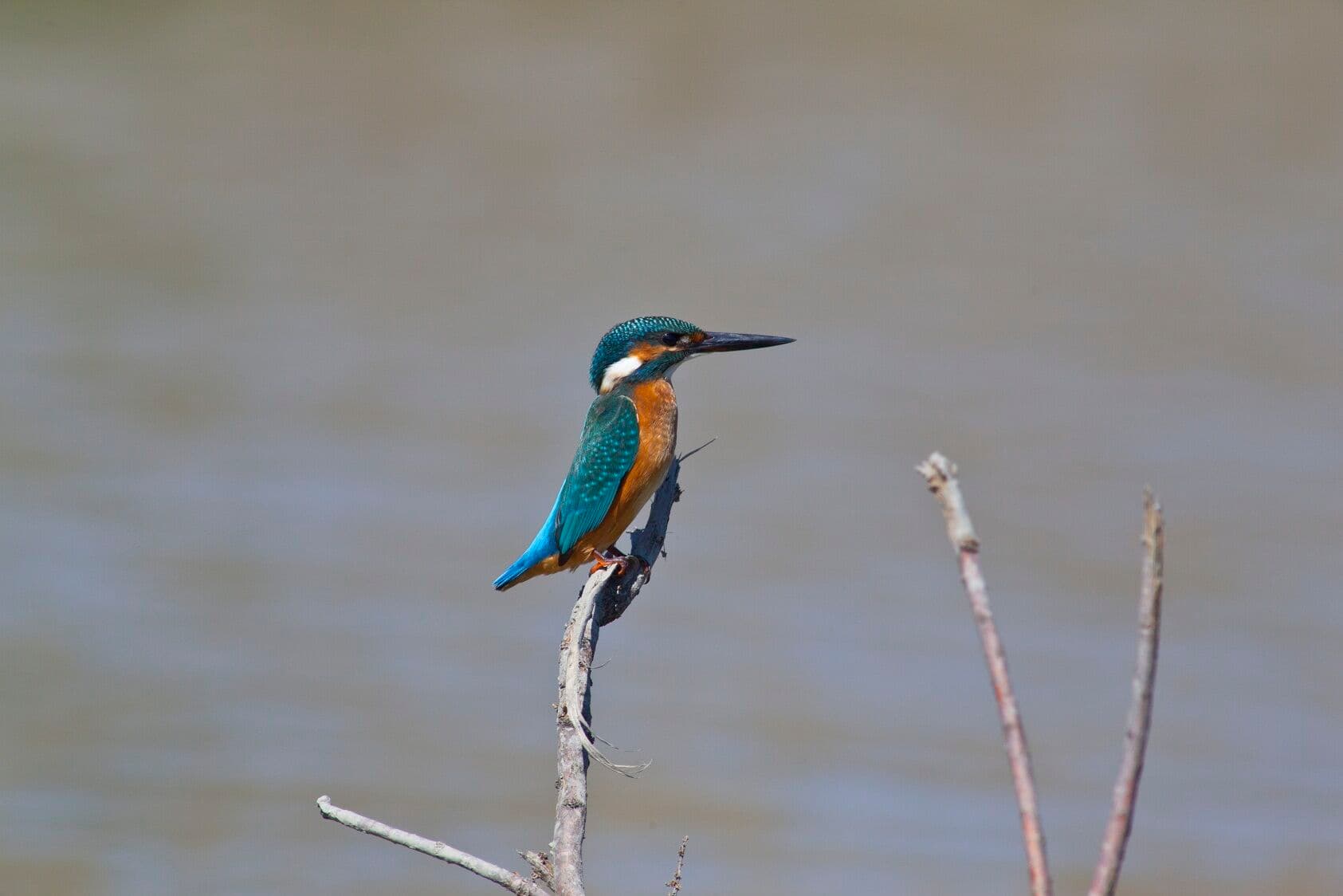
Samur-Yalama National Park is home to diverse fauna. Mammals such as wild boar and raccoon are found here, along with fish species including common bream, Caspian kutum, and asp. The park’s combination of terrestrial and aquatic ecosystems provides suitable habitats for a wide range of species.
The presence of Red Book species, such as the jungle cat, Eurasian lynx, Caucasian red deer, Caucasian chamois, European roe deer, imperial eagle, and mute swan, highlights the park’s significant role in biodiversity conservation. Valuable plant species like Eldar pine are also protected within the park.


