Shirvan National Park
Eco-tourism in Shirvan National Park
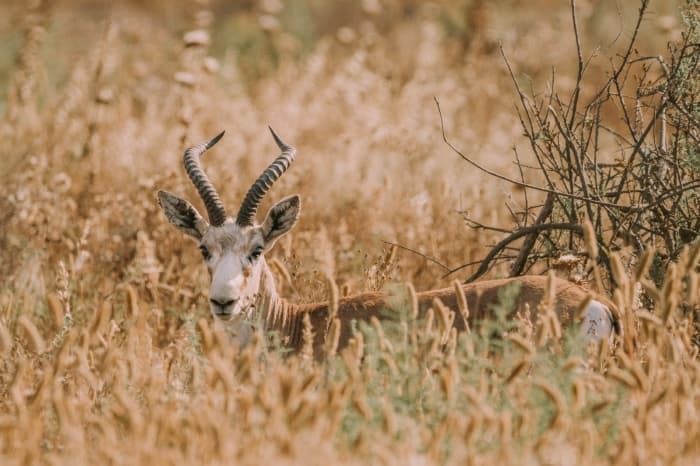
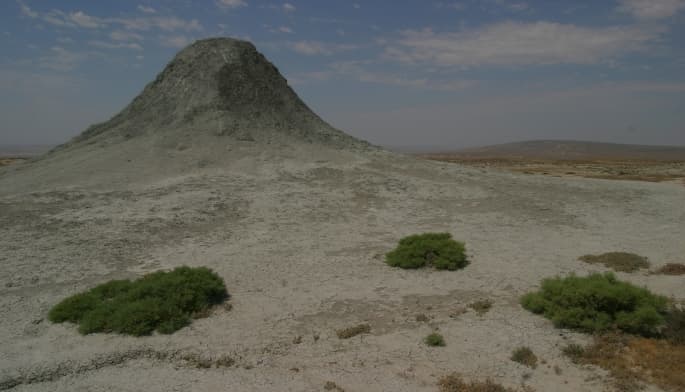
Eco-tourism in Shirvan National Park is organized in harmony with nature protection principles. Visitors can observe gazelle herds and various waterfowl species through designated observation routes. Educational boards and favorable conditions for photo tourism allow guests to explore the rich nature closely. Safe viewing points ensure responsible and low-impact tourism activities. Shirvan remains one of the unique destinations in Azerbaijan for nature enthusiasts and researchers throughout the year.
Guided tours provide visitors with deeper insight into the park’s diverse ecosystems and wildlife behavior. The park administration continuously improves visitor infrastructure to create better accessibility while preserving fragile habitats. Shirvan plays an important role in raising public awareness about environmental conservation and encouraging sustainable tourism culture in the region.
Protected Nature of Shirvan
Azerbaijan has a rich and diverse flora with more than 4,500 species of flowering plants. Compared to other countries of the South Caucasus, its flora is significantly richer, representing 66% of all plant species found in the region.
Relict and endemic plant species are especially widespread in the Talysh area, including ironwood, Hyrcan acacia, chestnut-leaf oak, and many others. This rich vegetation provides vital habitats and ensures ecological balance within the territory.
Flora of Shirvan National Park
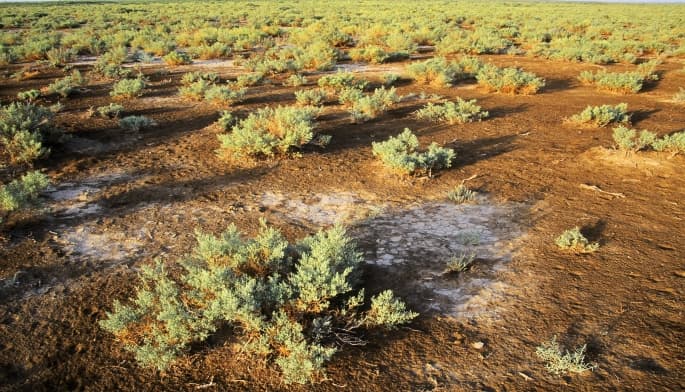
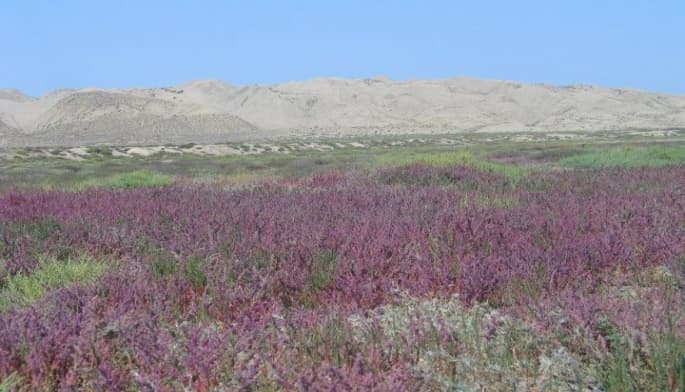
Semi-desert vegetation dominates the territory of the park. Species such as Elaeagnus caspica, Kalidium caspicum, and various Artemisia grow widely here. These drought-resistant plants play a crucial role in preventing soil erosion. Wetland zones increase botanical diversity and provide additional shelter and food sources for wildlife. Relict and endemic species found in the area highlight the park’s ecological significance.
Flora in Shirvan supports vital food chains that sustain both herbivorous and carnivorous species. Seasonal changes create different blooming periods, adding dynamic color and ecological value to the landscape. Ongoing conservation efforts help protect vulnerable plant species that are essential for the stability of semi-desert ecosystems.
Fauna of Shirvan National Park
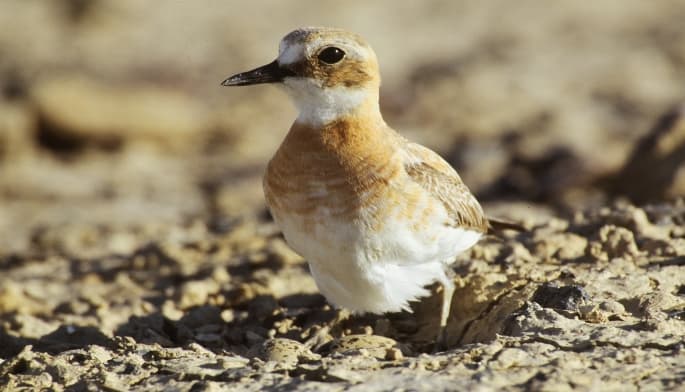
Shirvan National Park is the primary protected habitat of the goitered gazelle. In addition to gazelles, wolves, jackals, wild boars, reed cats, and hares inhabit the area. Over 230 bird species have been recorded in the park. The gazelle, listed in the Red Book, is recognized as the main symbol of Shirvan. Various ecosystems support a wide range of mammal, reptile, and bird species, especially during seasonal migration periods.
The park’s wetlands and shallow coastal zones attract thousands of migratory birds each year, creating a spectacular sight for nature observers. Rare species such as eagles and flamingos can also be seen depending on the season. The diversity of habitats enhances the role of Shirvan National Park as a vital ecological corridor in the region.


